Learn how SiC heating elements improve metal heating furnace performance. Discover applications, selection tips, advantages, and maintenance methods for silicon carbide heating elements in heat treatment, forging, melting, and sintering furnaces.
https://jiaxin-carbide.com
SiC Heating Elements for Metal Heating: Complete Selection and Application Guide
Introduction: Why Metal Heating Furnaces Need Better Heating Elements
In the metal processing industry, furnace reliability directly affects production efficiency, product quality, and operating costs. Many manufacturers face the same problems: uneven furnace temperature, frequent heating element failure, unexpected downtime, and increasing maintenance costs.
A common misunderstanding is that any heating element rated for high temperatures can work effectively in a high-temperature furnace. However, the actual service life of a heating element depends on many factors, including working temperature, atmosphere, surface load, furnace structure, and operating cycles.
Silicon carbide heating elements (SiC heating elements) have become a preferred solution for many industrial metal heating applications because they provide excellent high-temperature stability, oxidation resistance, fast heating response, and long service life.
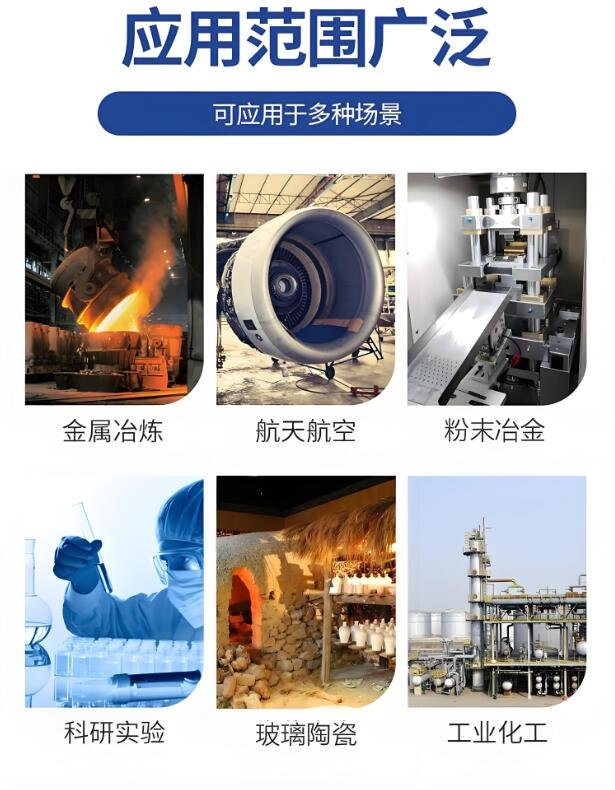
According to practical application experience, SiC heating elements are especially suitable for metal heating processes operating between 800°C and 1450°C, including heat treatment, forging heating, alloy melting, and powder metallurgy sintering.
What Are Silicon Carbide Heating Elements?
Silicon carbide heating elements are advanced electric heating components manufactured from high-density recrystallized silicon carbide materials.
When electrical current passes through the SiC element, electrical resistance converts energy into heat radiation and conduction, creating stable high-temperature heating performance.
Compared with traditional metal resistance wires, SiC heating elements offer:
Higher operating temperature capability
Better oxidation resistance
Stronger thermal shock resistance
Longer continuous operating life
Better temperature uniformity
Because of these advantages, SiC heating elements are widely used in:
Industrial furnaces
Heat treatment equipment
Ceramic kilns
Glass processing furnaces
Metal heating systems
Laboratory high-temperature furnaces
Typical Requirements for Heating Elements in Metal Heating Applications
Metal heating processes usually operate between 800°C and 1450°C. Different applications require different heating characteristics.
Common metal heating processes include:
Heat Treatment
Applications include:
Annealing
Normalizing
Quenching
Tempering
Typical temperature range:
850°C–1150°C
The heating system must provide:
Stable temperature distribution
Long operating time
Low temperature fluctuation
Reliable performance during repeated cycles
Forging Preheating
Steel billets and forgings often require rapid heating.
Typical temperature range:
1100°C–1300°C
The heating element must handle:
Fast temperature rise
Thermal shock
Frequent furnace opening
Continuous production operation
Metal Melting and Holding
Used for:
Aluminum alloy
Copper alloy
Other non-ferrous metals
Typical temperature range:
700°C–1100°C
Important requirements:
Corrosion resistance
Stable radiation efficiency
Long service life
Powder Metallurgy Sintering
Powder metallurgy requires clean and controlled heating conditions.
Typical temperature:
1050°C–1350°C
High-purity SiC heating elements provide:
Low contamination risk
Stable heating performance
Excellent temperature control
Why Choose SiC Heating Elements for Metal Heating Furnaces?
1. Excellent High Temperature Performance
One of the biggest advantages of silicon carbide heating elements is their ability to operate continuously at high temperatures.
Compared with FeCrAl resistance wires, SiC heating elements provide better performance in applications approaching 1400°C or higher.
This makes them suitable for:
Steel heat treatment furnaces
Forging furnaces
High-temperature industrial furnaces
2. Superior Thermal Shock Resistance
Industrial furnaces often experience rapid temperature changes.
For example:
Furnace startup
Batch loading
Door opening cycles
Production interruptions
SiC heating elements have a low thermal expansion coefficient, allowing them to withstand repeated heating and cooling cycles.
This reduces:
Cracking problems
Sudden element failure
Production interruptions
3. Better Temperature Uniformity
Temperature uniformity directly affects metal quality.
Uneven heating may cause:
Different material hardness
Uneven microstructure
Product rejection
SiC heating elements provide:
Stable radiation output
Uniform heating distribution
Better furnace temperature control
For heat treatment applications, maintaining temperature differences within a narrow range is critical.
4. Strong Oxidation Resistance
During operation in air atmosphere, SiC elements naturally form a protective silicon dioxide layer.
This oxide layer helps protect the heating element from further oxidation.
Benefits include:
Longer element life
Stable resistance change
Reduced maintenance frequency
Main Applications of SiC Heating Elements in Metal Industry
SiC Heating Elements for Steel Heat Treatment Furnaces
Steel heat treatment is one of the most common applications.
Typical operating conditions:
Temperature: 800°C–1200°C
Atmosphere: Air or weak reducing atmosphere
Furnace types:
Box furnace
Trolley furnace
Continuous furnace
Advantages:
Excellent temperature uniformity
Strong infrared radiation
Stable long-term operation
Lower maintenance cost
SiC Heating Elements for Forging Furnaces
Forging processes require fast heating and strong thermal resistance.
SiC heating elements can provide:
Rapid heating speed
Excellent thermal cycling capability
Stable performance at 1200°C–1300°C
Compared with traditional resistance wires, SiC elements reduce hot spots and improve furnace efficiency.
Aluminum Alloy Heating Applications
SiC heating elements can be used in aluminum melting and holding furnaces.
Recommended conditions:
Temperature: 600°C–900°C
Surface load: below 6 W/cm²
Proper installation helps prevent:
Surface corrosion
Local overheating
Element cracking
Powder Metallurgy Sintering Furnaces
High-density SiC heating elements are suitable for many powder metallurgy applications.
Advantages:
Low contamination
Stable heating output
Good temperature control
However, strong reducing atmospheres containing high hydrogen or carbon potential require careful evaluation.
SiC Heating Elements vs FeCrAl Resistance Wire vs MoSi2 Heating Elements
| Feature | SiC Heating Element | FeCrAl Wire | MoSi2 Element |
| Working Temperature | Up to 1450°C | Around 1250°C | Above 1600°C |
| Thermal Shock Resistance | Excellent | Medium | Lower |
| Heating Uniformity | Excellent | Moderate | Excellent |
| Cost | Medium | Low | High |
| Maintenance Cost | Low | Medium | High |
For most metal heating applications between 1000°C and 1450°C, SiC heating elements provide the best balance between performance and cost.
How to Select the Right SiC Heating Element
Choosing the correct SiC heating element requires considering several factors.
1. Working Temperature
Always select based on:
Long-term operating temperature
Not only maximum furnace temperature
2. Furnace Atmosphere
Consider:
Air atmosphere
Oxidizing atmosphere
Reducing atmosphere
Protective gas atmosphere
Different atmospheres affect SiC lifespan.
3. Surface Load
Surface load is one of the most important factors.
Recommended range:
4–7 W/cm²
Too high surface load may cause:
Hot spots
Faster aging
Shorter service life
4. Element Shape and Size
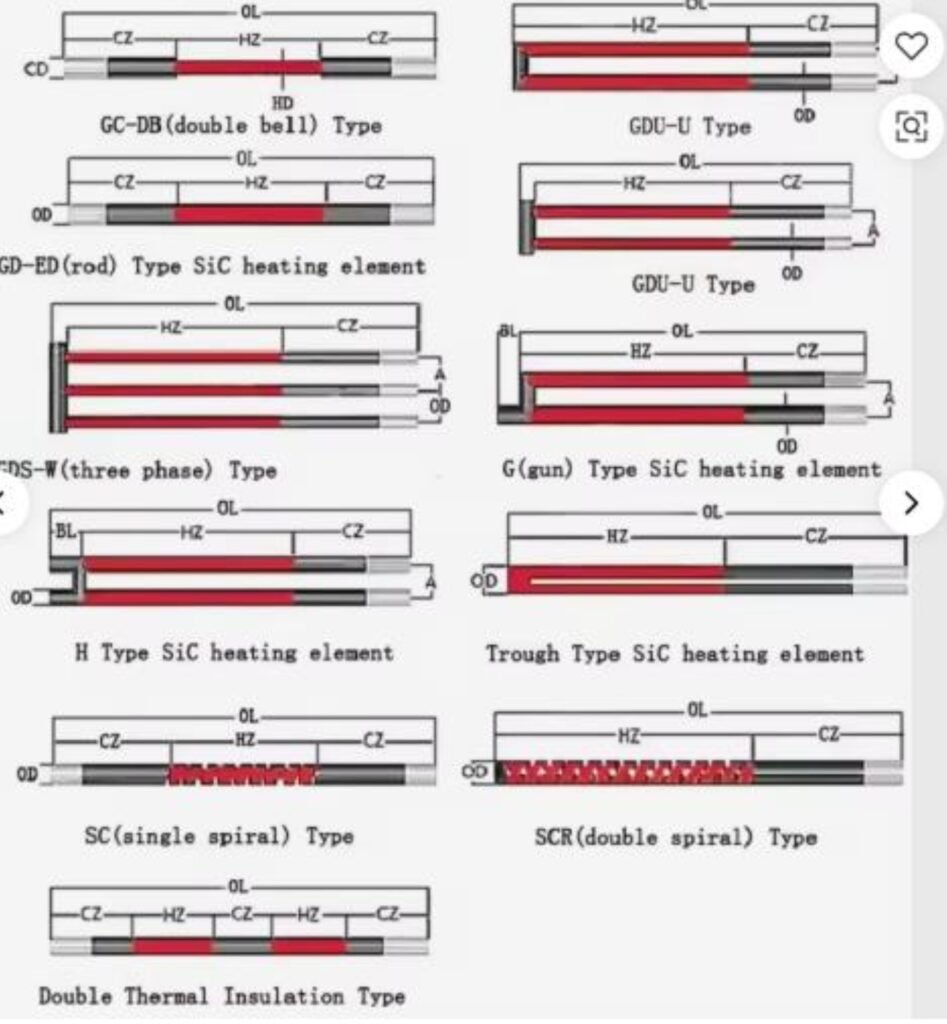
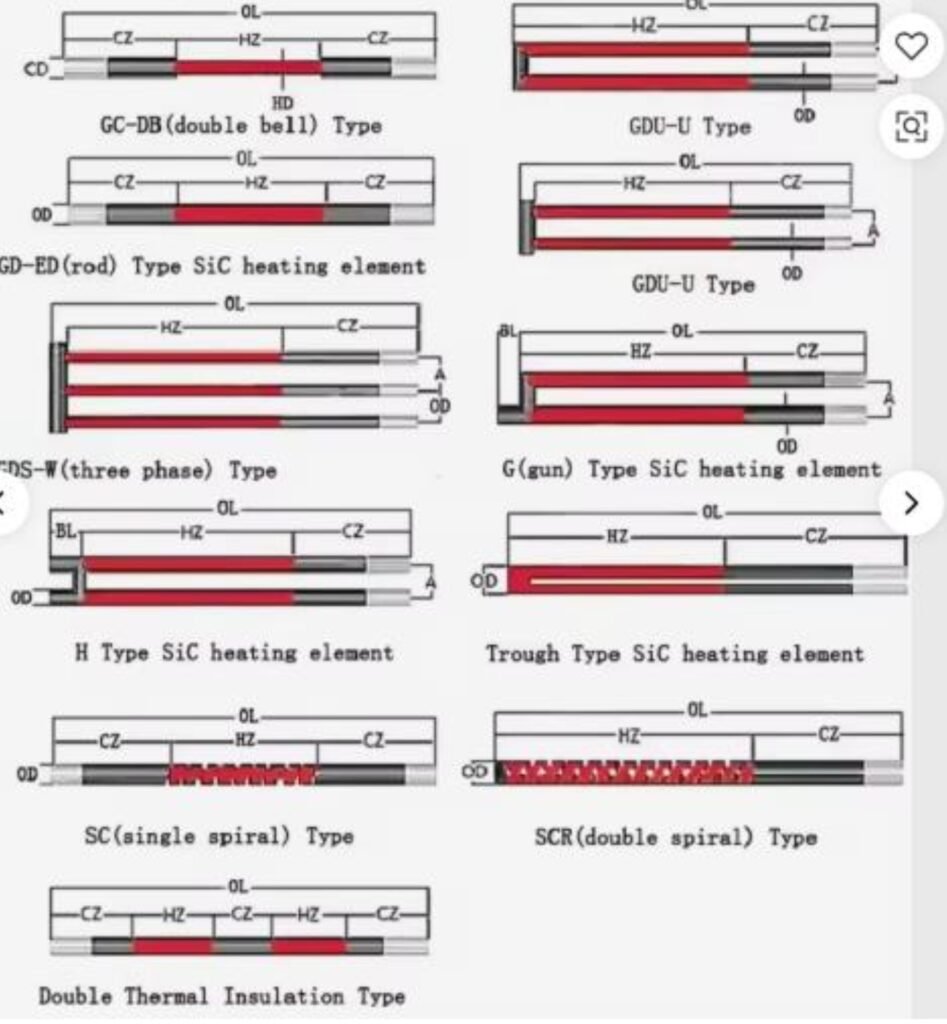
Common SiC element designs include:
Straight rods
U-shaped elements
Spiral elements
Selection depends on:
Furnace structure
Installation space
Power requirements
Common Mistakes When Using SiC Heating Elements
Mistake 1: Selecting Only Based on Maximum Temperature
A furnace rated at 1400°C does not always require the same heating element.
Actual conditions are more important:
Atmosphere
Load
Heating cycle
Mistake 2: Using Incorrect Electrical Control
SiC elements require proper power control.
Recommended:
Adjustable transformers
Temperature zone control
Regular resistance monitoring
Mistake 3: Ignoring Element Aging
During long operation, SiC resistance gradually increases.
Regular inspection helps prevent unexpected shutdown.
SiC Heating Element Maintenance Tips
To extend service life:
1. Proper Initial Operation
New SiC elements should be gradually heated to form a stable protective oxide layer.
2. Regular Resistance Measurement
Monitor:
Voltage
Current
Resistance changes
3. Maintain Furnace Cleanliness
Remove:
Dust
Metal scale
Contaminants
to prevent local overheating.
When Should You Choose MoSi2 Instead of SiC?
MoSi2 heating elements may be better when:
Temperature exceeds 1450°C
Strong reducing atmosphere exists
Extremely long high-temperature stability is required
For normal metal heating applications, SiC heating elements usually provide better cost-performance balance.
Conclusion: SiC Heating Elements Improve Metal Furnace Reliability
For modern metal heating industries, selecting the correct heating element is essential for improving productivity and reducing operating costs.
Silicon carbide heating elements provide:
High-temperature capability
Excellent thermal shock resistance
Stable heating performance
Long service life
Lower maintenance requirements
Whether used in heat treatment furnaces, forging furnaces, aluminum heating systems, or powder metallurgy equipment, SiC heating elements offer a reliable solution for demanding industrial heating environments.
Choosing the right SiC heating element based on temperature, atmosphere, surface load, and furnace design can significantly improve furnace performance and reduce downtime.