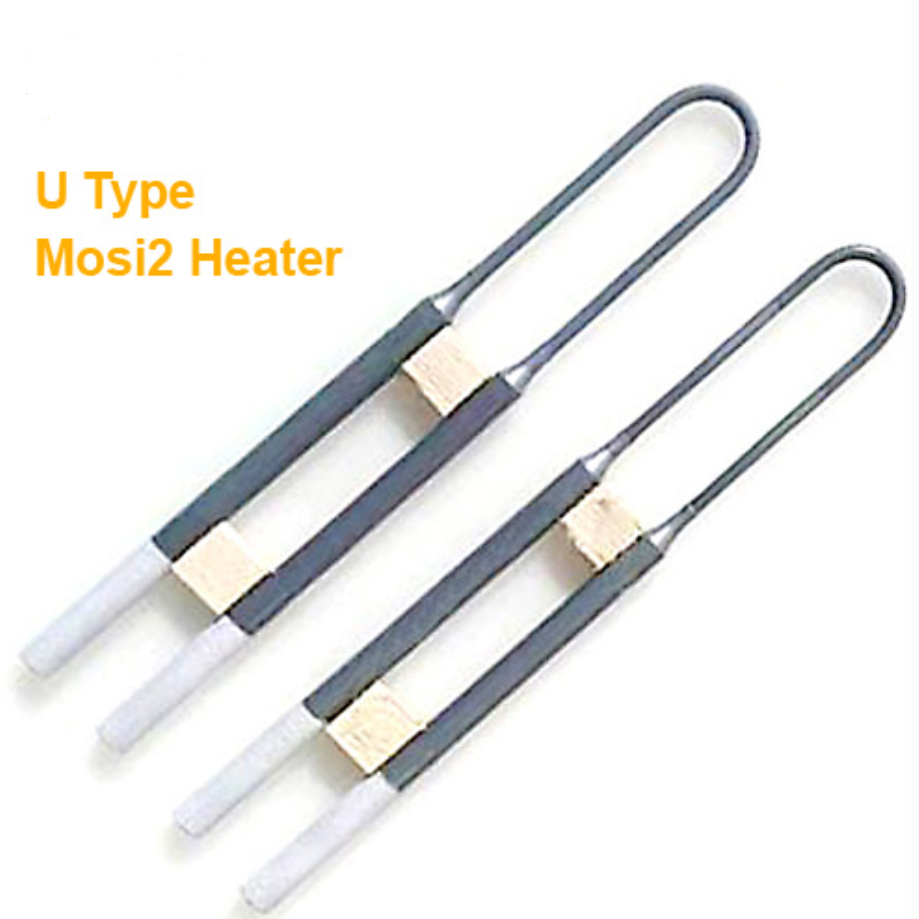
When evaluating mosi2 furnace heating element options, buyers need to look beyond the quoted price.
Raw material grade, operating temperature, service life, dimensional accuracy, and supplier experience all shape long-term value.
A lower upfront number can still lead to higher furnace downtime, unstable heating, or faster replacement cycles.
That is why a smart comparison of mosi2 furnace heating element offers should focus on total procurement value, not price alone.
Why Price Differences Happen in the Market
The market does not price every mosi2 furnace heating element the same way.
Even products with similar drawings may perform very differently inside a high-temperature furnace.
In actual purchasing work, the main price gaps usually come from five areas.
- Purity and consistency of raw materials
- Maximum working temperature and atmosphere compatibility
- Element geometry and dimensional tolerance
- Manufacturing process control and inspection
- Supplier support, delivery reliability, and technical experience
A supplier that only competes on price often trims cost in one or more of these areas.
That may not show up on the quotation sheet, but it appears later during operation.
Raw Material Grade Directly Affects Cost and Stability
The core material quality is one of the biggest drivers behind mosi2 furnace heating element pricing.
Higher-grade molybdenum disilicide offers better oxidation resistance and more stable electrical behavior at elevated temperatures.
Cheaper material may still work at first, but its performance window is often narrower.
For furnaces running frequent thermal cycles, consistency matters as much as peak temperature capability.
Small material deviations can increase resistance drift, hot spots, or unexpected breakage.
When comparing offers, ask whether the supplier can explain raw material control in practical terms.
If the answer is vague, the low price may hide unstable quality.
Working Temperature Is Not Just a Catalog Number
Many buyers compare maximum temperature ratings first, but this can be misleading.
A mosi2 furnace heating element rated for high temperature still needs to match the real furnace atmosphere.
Air, neutral gas, and special process conditions change service behavior.
This also affects how aggressively a supplier should design the element diameter and hot zone.
In other words, the best choice is not the highest rating on paper.
The better choice is the element built for your continuous operating range, load pattern, and furnace structure.
That is usually where long-term heating stability comes from.
Service Life Changes the Real Cost Per Cycle
The quoted price of a mosi2 furnace heating element only tells part of the story.
The more useful metric is cost per operating cycle or cost per month of stable production.
An element with a longer life can reduce maintenance labor, shutdown frequency, and spare stock pressure.
This becomes more important in continuous furnaces or quality-sensitive thermal processes.
Ask suppliers how they define expected service life.
A realistic answer should mention temperature, atmosphere, switching frequency, and installation conditions.
If life claims sound broad but unsupported, the comparison is incomplete.
- Dimensional Accuracy Impacts Installation and Heating Uniformity
Precision is another reason one mosi2 furnace heating element costs more than another.
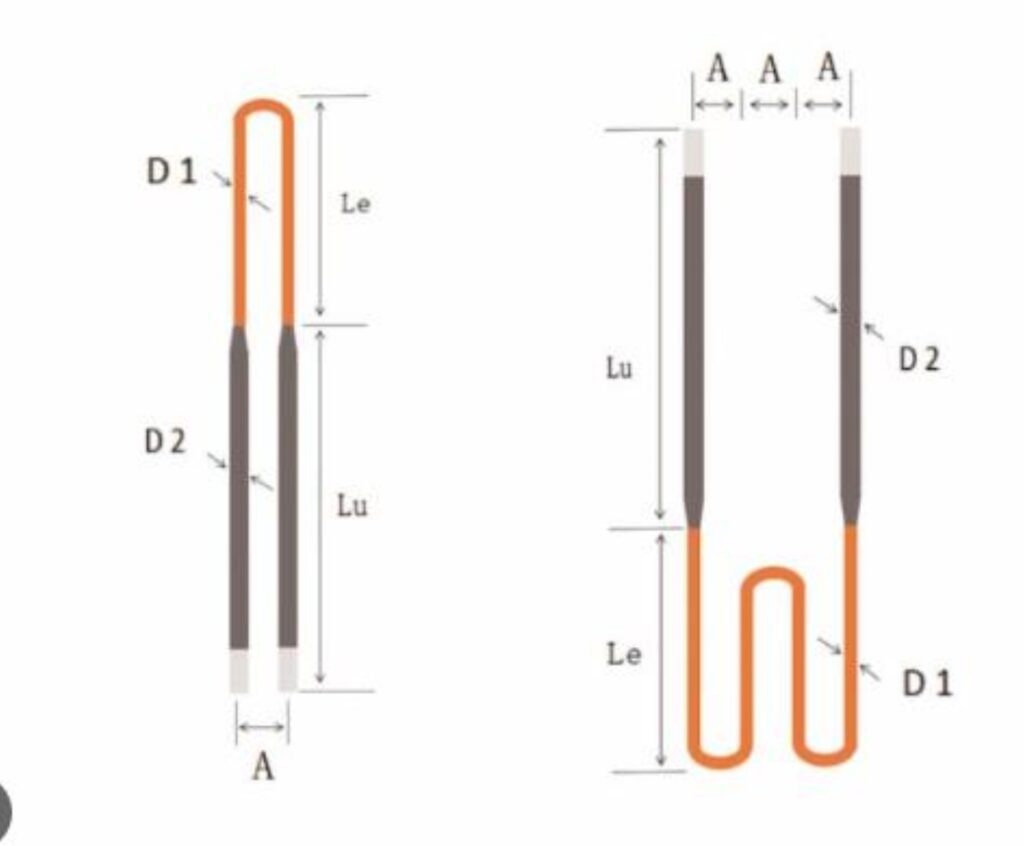
Diameter, hot zone length, cold end dimensions, and terminal alignment all matter during installation.
Poor dimensional control can create uneven heating, difficult fitting, or local stress points.
Those issues often look small at delivery, yet they become expensive in production.
For replacement orders, matching the original dimensions closely is especially important.
A supplier with solid process discipline should be able to confirm tolerances before production starts.
- Manufacturing Experience Reduces Procurement Risk
Price should also be judged against supplier capability.
A manufacturer with deep furnace material experience usually gives more reliable technical guidance.
Liao yang jia xin carbide co ltd is a high and new technology enterprise focused on developing, manufacturing, and selling heating materials.
Its product scope includes SiC heating elements, molybdenum disilicide heating elements, silicon carbide protective pipes, and graphite products.
Established in 2007, the company also brings more than 20 years of production experience to global supply projects.
Its products have been exported to the USA, Germany, France, Poland, Spain, Turkey, Russia, Ukraine, Japan, Korea, Singapore, Vietnam, Thailand, and Iran.
That kind of export background matters because it usually reflects broader application knowledge and more mature quality control.
Related Furnace Components Also Influence Buying Decisions
In many projects, heating elements are not purchased alone.
Protective tubes, support components, and thermal system materials can affect the final purchasing package.
For example, some furnace designs may also involve Si3N4 silicon carbide tube solutions for related high-temperature protection needs.
When a supplier can support several matched components, communication becomes easier and compatibility risks usually fall.
This can save both sourcing time and hidden coordination cost.
What to Ask Before Comparing Quotations
A useful comparison starts with the right questions.
Without them, two mosi2 furnace heating element quotations may look similar while offering very different value.
- What operating temperature and atmosphere is the element designed for?
- What are the exact tolerances for diameter, length, and connection area?
- What service life range is expected under similar working conditions?
- What inspection steps are used before shipment?
- Can the supplier support custom sizing or urgent replacement demand?
- What export and application history supports the recommendation?
These questions turn price comparison into a more useful procurement decision.
A Simple Comparison Table for Faster Evaluation
| Comparison Point | Low-Price Offer | Higher-Value Offer |
| Raw material consistency | Limited detail | Clearly defined |
| Temperature matching | Generic rating | Application-based design |
| Dimensional tolerance | Broad or unclear | Confirmed before production |
| Expected service life | Unverified claim | Linked to working conditions |
| Technical support | Basic quotation only | Responsive guidance |
| Total procurement risk | Higher | Lower |
How to Make a Better Final Decision
A good buying decision balances price, furnace performance, and supply reliability.
The best mosi2 furnace heating element is rarely the cheapest line on the quote sheet.
It is the option that fits the application, holds stable under heat, and reduces replacement risk.
From a cost perspective, longer service life and smoother production usually outweigh small initial savings.
Before placing an order, compare specifications, expected life, tolerances, and supplier support side by side.
That approach makes mosi2 furnace heating element sourcing more predictable and more defensible in real procurement work.
When the details are clear, cost control and furnace reliability can move in the same direction.