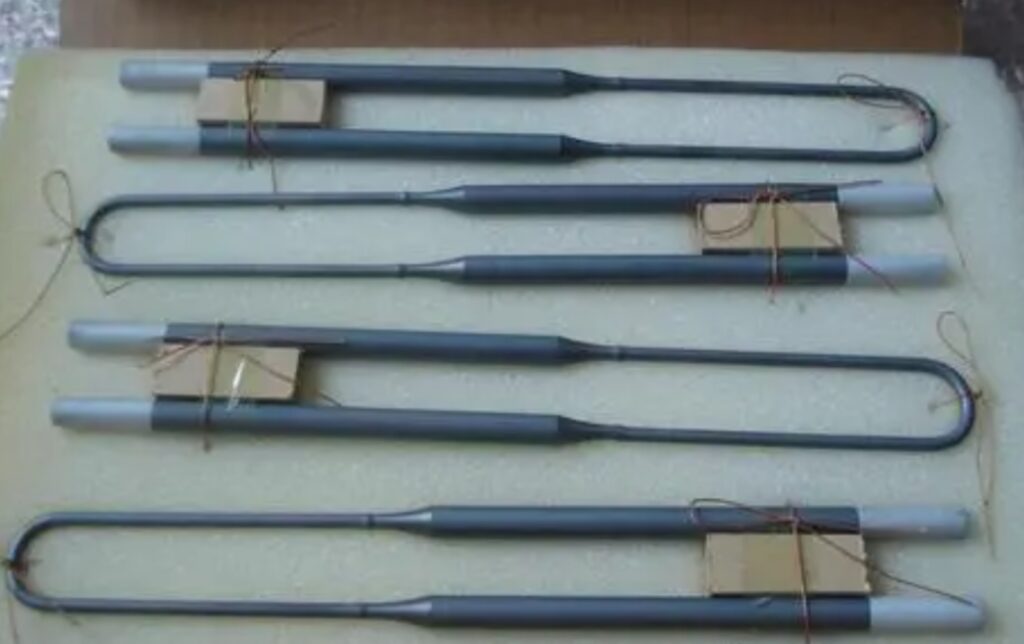
Keyword :MoSi2 heating elements,direct manufacturer,alloy heating elements,industrial furnace
Description :Learn why choosing a direct manufacturer for MoSi2 heating elements improves quality, customization, pricing, and furnace reliability.
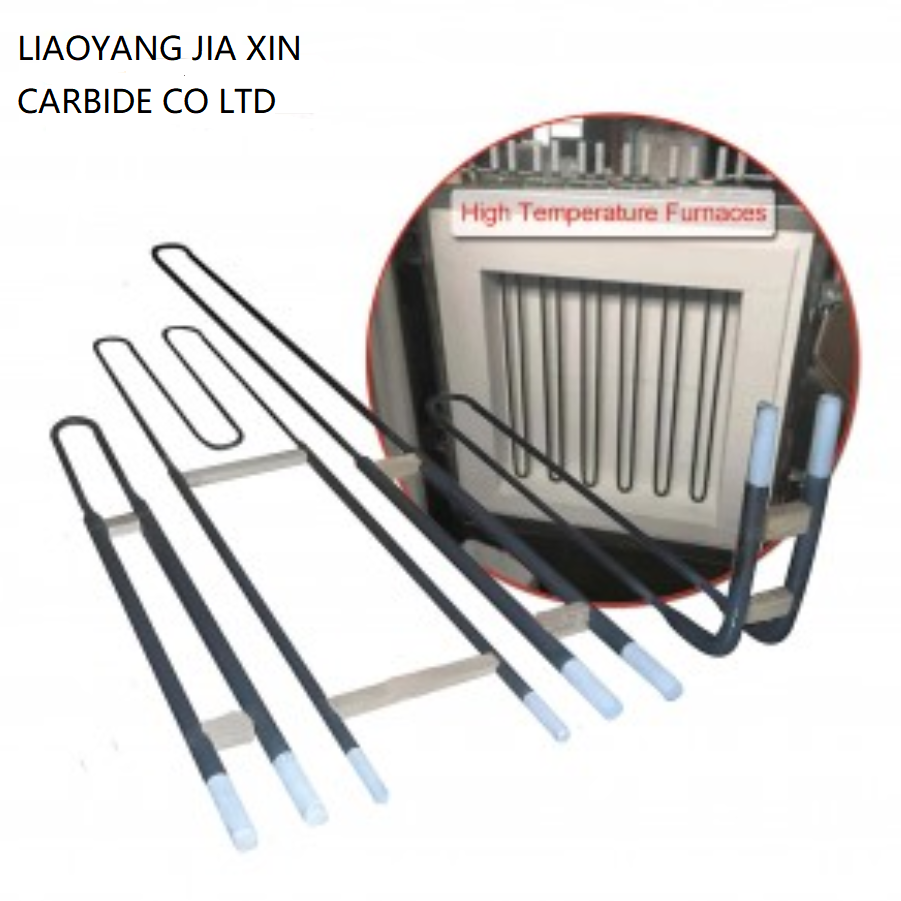
Why choose a direct manufacturer for MoSi2 heating elements? Because direct sourcing gives industrial buyers better quality control, faster technical communication, flexible customization, and more competitive pricing. For high-temperature furnace applications, working with an experienced manufacturer also means reliable performance, stable batch consistency, and professional after-sales support from design to delivery.
For most buyers, this is not simply a purchasing question. It is a decision that affects furnace efficiency, replacement frequency, production stability, and the total cost of ownership over time.
When buyers search for why choose a direct manufacturer for MoSi2 heating elements, their core intent is usually practical. They want to know whether buying directly can reduce risk, improve product fit, and deliver better long-term value.
They are also trying to avoid common problems such as inconsistent resistance values, unclear material quality, slow quotation cycles, weak technical support, and costly failures during furnace operation.
This means the most useful article is not one that repeats general sourcing advice. It should explain how direct manufacturing support affects specification accuracy, operating life, lead time, pricing logic, and after-sales problem solving.
What Buyers Really Want to Know Before Choosing a Supplier
Industrial buyers, furnace builders, and plant engineers usually care less about branding language and more about outcomes. They want heating elements that match their furnace conditions and perform consistently in real production.
In most cases, their main questions are straightforward. Can the supplier manufacture to the required dimensions? Will the element work at the target temperature? How stable is the quality from batch to batch?
They also need confidence in commercial execution. That includes clear lead times, export-ready packaging, responsive communication, and the ability to solve technical issues without long delays or multiple intermediaries.
This is where a direct manufacturer often has a clear advantage. The conversation moves faster because the people discussing specifications are closer to production, inspection, and design decision-making.
Why Direct Sourcing Improves Quality Control
One of the strongest reasons to choose a direct manufacturer for MoSi2 heating elements is quality visibility. Buyers can evaluate how raw materials, forming, sintering, machining, and final testing are actually controlled.
When purchasing through a trading layer, product data may be passed along without enough technical depth. Important details about resistance tolerance, dimensional consistency, and operating recommendations can become vague or incomplete.
Direct manufacturers are usually better positioned to explain their inspection system in concrete terms. That includes raw material checks, process control during high-temperature production, and finished testing for resistance and dimensions.
For MoSi2 heating elements, this matters because small differences in material integrity or manufacturing precision can affect service life, heating uniformity, and startup reliability in demanding furnace environments.
Stable batch quality is especially important for customers running continuous or semi-continuous production. If replacement elements vary too much, furnace balance and maintenance planning become more difficult and more expensive.
Faster Technical Communication Reduces Costly Errors
High-temperature heating elements are not standard commodities in every application. Buyers often need support on element shape, hot zone design, terminal configuration, power matching, or installation spacing.
Working with a direct manufacturer simplifies those discussions. Instead of relaying questions through several parties, the buyer can communicate specifications, operating temperature, furnace size, atmosphere, and duty cycle more directly.
This reduces the chance of misunderstandings in drawings, dimensions, and performance expectations. It also shortens the time needed to confirm whether a custom element is suitable for a particular thermal process.
For example, a ceramic kiln, zirconia sintering furnace, laboratory furnace, and powder metallurgy furnace may all use MoSi2 heaters, but their working conditions and design priorities are not the same.
A capable manufacturer can review the application and advise on element diameter, heated length, cold end dimensions, and power layout. That kind of technical response is far more useful than a simple price list.
When a supplier also provides heating power calculation and layout guidance, buyers gain an additional layer of decision support. This helps prevent underpowered systems, localized overheating, or inefficient heating distribution.
Customization Matters More Than Many Buyers Expect
Another reason buyers ask why choose a direct manufacturer for MoSi2 heating elements is customization. Many industrial furnaces are built around specific chamber sizes, voltage conditions, mounting structures, and process temperatures.
Off-the-shelf elements can work for some cases, but many projects require custom dimensions or nonstandard structural details. That is particularly true for OEM furnace manufacturers and plants upgrading older equipment.
A direct manufacturer is generally better equipped to support OEM and ODM requirements based on drawings, technical parameters, or special working conditions. This gives buyers more control over fit and performance.
Customization is not only about shape. It can also involve tolerances, connection methods, matched accessories, packaging method, and replacement consistency for future orders across the same furnace fleet.
For industrial users, a correct custom solution usually saves more money than choosing the lowest initial quote. Poor fit or weak compatibility often leads to shorter service life, maintenance interruptions, and unplanned procurement later.
Price Is Important, but Total Value Matters More
Many buyers start with price, which is reasonable. However, the better sourcing question is whether the quoted product delivers reliable operating value over its service life, not just the lowest invoice amount.
Direct manufacturers often offer more competitive pricing because there are fewer layers between production and the end customer. That can improve procurement efficiency, especially for repeat orders or project-based volume purchasing.
But the deeper value comes from transparency. Buyers can understand what affects price, such as dimensions, grade, quantity, testing scope, customization level, packaging, and delivery terms.
This is more useful than comparing quotes that look similar on paper but hide major differences in quality control, material consistency, or technical support. A cheaper element is expensive if it fails early.
In high-temperature operations, downtime can cost much more than the component itself. When a furnace stops due to element failure, the real loss may include delayed production, wasted energy, rejected product, and emergency maintenance labor.
That is why experienced buyers evaluate direct sourcing in terms of total ownership cost. Product lifespan, thermal stability, consistency, and service support usually matter more than headline unit price alone.
Reliable Delivery and Export Handling Are Part of the Value
For international buyers, choosing a direct manufacturer also affects delivery confidence. Industrial components require dependable production scheduling, suitable export packaging, and documentation that matches the transaction terms.
When the manufacturer already serves overseas furnace builders and end users, it is more likely to understand practical trade requirements such as sample orders, MOQ flexibility, wooden export packaging, and common shipping terms.
That experience helps reduce avoidable delays. It also improves communication around lead time, order confirmation, inspection arrangements, and packing details for long-distance transportation.
For fragile or technically sensitive heating elements, packaging quality is not a minor detail. Proper protection can prevent damage during handling, storage, and sea or air shipment.
Buyers should therefore treat logistics capability as part of supplier competence. A manufacturer that can produce well but cannot ship consistently still creates operational risk for the customer.
After-Sales Support Is Critical in High-Temperature Applications
One of the biggest differences between a real manufacturer and a basic reseller appears after delivery. High-temperature systems sometimes need installation guidance, operating advice, or troubleshooting when performance does not meet expectations.
Direct manufacturers are often better able to diagnose issues because they understand both the product and the production process behind it. They can review furnace conditions and identify likely causes more efficiently.
That support is important because element failure is not always caused by the element itself. Furnace atmosphere, installation method, temperature ramping, voltage mismatch, contamination, or mechanical stress may all play a role.
When buyers can access remote installation guidance, warranty support, and failure analysis, they are more likely to solve the root problem instead of repeating the same replacement cycle.
This kind of technical after-sales service becomes especially valuable for overseas customers who cannot easily arrange on-site supplier visits. Fast remote response helps protect production continuity.
How to Evaluate Whether a Manufacturer Is Truly Worth Choosing
Not every company calling itself a manufacturer offers the same level of capability. Buyers should verify whether the supplier can support both technical requirements and commercial execution from inquiry to after-sales service.
Start by reviewing product range and application familiarity. A stronger manufacturer usually understands how MoSi2 heating elements are used across ceramics, metallurgy, glass processing, battery materials, laboratory furnaces, and similar fields.
Next, examine customization ability. Ask whether the company can produce to drawings, confirm working parameters, and recommend element configuration based on temperature, chamber size, and application conditions.
Then review quality control and testing detail. Useful questions include how resistance is checked, how dimensions are verified, how batch consistency is maintained, and what records can be provided before shipment.
It is also important to assess communication speed and technical depth. If a supplier cannot answer practical engineering questions clearly before the order, support is unlikely to improve after shipment.
Finally, look at long-term service capacity. Buyers should confirm lead time management, export experience, packaging standards, warranty approach, and availability of troubleshooting assistance when installation or performance issues arise.
When Direct Manufacturer Cooperation Makes the Most Sense
Buying directly is especially valuable in projects where specification accuracy and long-term support matter more than one-time convenience. This includes custom furnace builds, replacement planning, and technically demanding heating environments.
It is also a strong option for customers needing recurring orders with consistent dimensions and electrical characteristics. Batch repeatability becomes easier to manage when the supply relationship is tied directly to production control.
OEM buyers benefit because direct manufacturers can align products with design drawings and future revisions. End users benefit because they can get clearer recommendations tied to actual operating conditions.
Even for smaller trial orders, direct cooperation can be useful if the manufacturer supports samples, flexible MOQ, and responsive engineering communication. Early technical alignment often prevents expensive corrections later.
In short, direct sourcing is not only for very large purchasers. It is appropriate whenever application fit, stable quality, and problem-solving speed are important to the success of the furnace operation.
Conclusion
The best answer to why choose a direct manufacturer for MoSi2 heating elements is that direct cooperation improves the parts of sourcing that matter most in industrial heating applications.
Buyers gain better quality control visibility, faster technical communication, stronger customization support, more transparent pricing, and more effective after-sales service. These advantages help reduce both purchasing risk and operating risk.
For high-temperature furnaces, the right supplier is not simply the one that offers a product. It is the one that can match the element to the application, maintain stable batch quality, and support the customer through the full service cycle.
When evaluating suppliers, buyers should focus on practical capability: manufacturing experience, technical response, inspection rigor, customization flexibility, export execution, and long-term support. That is where direct manufacturers usually create the most value.
For companies sourcing MoSi2 heaters for ceramic firing, metallurgy, glass, battery materials, zirconia sintering, or laboratory furnaces, choosing an experienced direct manufacturer is often the most reliable path to stable performance and better total return.