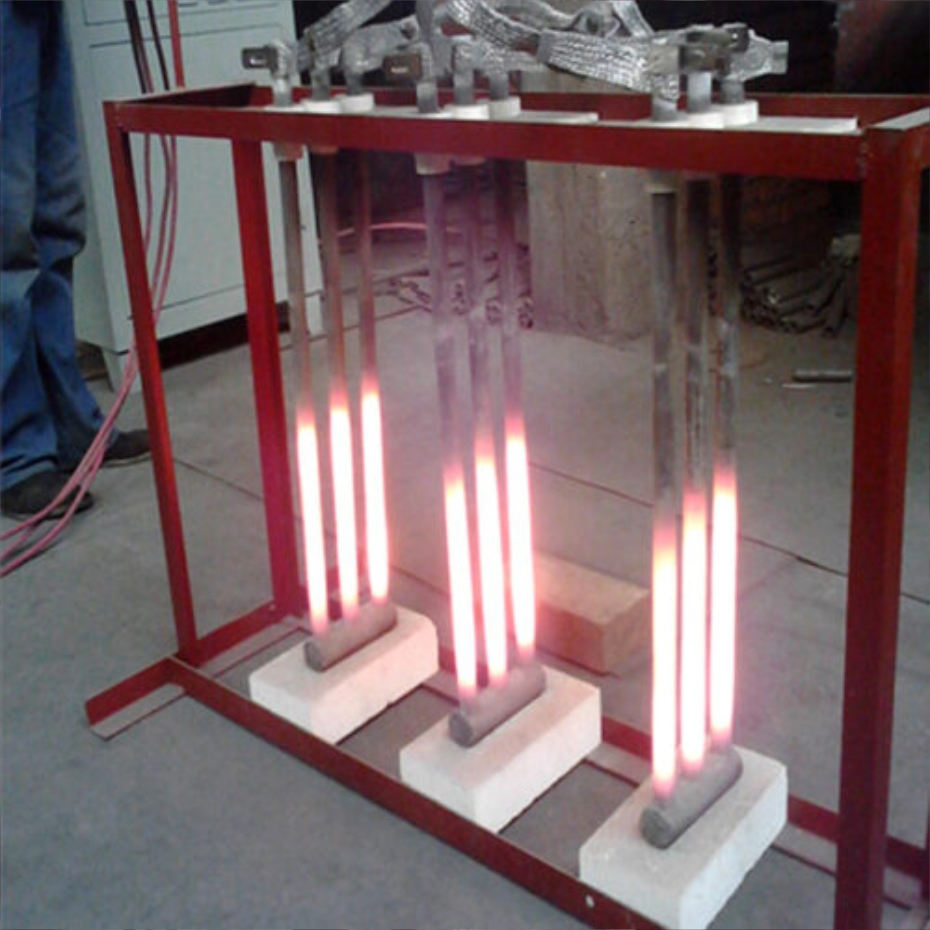
When industrial plant managers and lab technicians look for long-lasting, steady heat sources for continuous high-temperature production, SiC heating element applications are always the top pick, and every reliable set of SiC heating element applications relies on a well-matched high temperature furnace heater. As a mature, cost-effective high temperature furnace heater, silicon carbide heating rods outperform traditional metal heating wires in working temperature, anti-oxidation performance and overall lifespan, which explains why more production lines expand their use of SiC heating element applications year after year. This article focuses on core industrial scenarios including ceramics, glass, metallurgy and laboratory furnace, repeatedly analyzing the practical value of SiC heating element applications and the unique strengths of this professional high temperature furnace heater.
Basic Overview of Silicon Carbide Heating Rods & Core Value of SiC Heating Element Applications
A silicon carbide heating rod is a resistance-style high temperature furnace heater, sintered from high-purity recrystallized silicon carbide raw materials. Once energized, electrical resistance converts electric energy into uniform radiant heat, laying the technical foundation for all mainstream SiC heating element applications. Multiple standard shapes—straight rod, U-type, W-type, single spiral and double spiral—support diversified SiC heating element applications, and manufacturers can customize rod diameter, hot zone length and cold zone size to fit every unique furnace structure, power parameter and temperature control requirement of each high temperature furnace heater.
Compared with nickel-chromium metal heating wires, this dedicated high temperature furnace heater can run stably at 1400°C and above in air without rapid aging. The biggest competitive edge of all standard SiC heating element applications is balanced radiant heat delivery and excellent thermal shock resistance, perfectly solving the frequent replacement and high scrap rate pain points that trouble factories using inferior non-standard heating parts. Without properly configured SiC heating element applications, even well-designed furnace equipment cannot deliver stable production results, highlighting the irreplaceable role of a qualified high temperature furnace heater.
1. SiC Heating Element Applications in Ceramic Production Lines
Ceramic manufacturing remains the largest industry for mass-scale SiC heating element applications, and every tunnel kiln, roller kiln and box furnace in ceramic factories needs a complete set of SiC heating element applications to act as the core high temperature furnace heater for calcination, glazing and finished product sintering. Whether producing daily tableware, sanitary ceramics, electronic alumina substrates or high-strength zirconia technical ceramics, consistent furnace temperature is the key to low defect rates, and only standardized SiC heating element applications can deliver the stable heating effect required by this high temperature furnace heater.
For large continuous ceramic tunnel kilns, reasonably arranged SiC heating element applications eliminate cold temperature dead zones inside the furnace cavity. This industrial-grade high temperature furnace heater releases soft, even far-infrared radiant heat, avoiding ceramic cracking, deformation and uneven glaze discoloration caused by local overheating. Many ceramic factories once cut costs with cheap metal heating wires, yet frequent shutdowns for replacement and massive defective products pushed them to fully switch to standardized SiC heating element applications. After upgrading this durable high temperature furnace heater, production downtime dropped sharply, and finished product qualification rates rose significantly.
Small workshop ceramic furnaces and lab ceramic sintering equipment also depend heavily on mini customized SiC heating element applications. This compact high temperature furnace heater features fast temperature response and an exclusive anti-oxidation coating; even under non-stop 1300°C production shifts, its resistance rises at an extremely slow speed, doubling the service cycle compared with ordinary heating parts. All supporting SiC heating element applications for ceramic production undergo strict resistance matching before delivery, ensuring every single high temperature furnace heater heats synchronously to stabilize batch ceramic quality.
2. SiC Heating Element Applications for Glass Processing Equipment
Glass melting, tempering and optical glass thermal treatment form another core market for mature SiC heating element applications, where the stability of the selected high temperature furnace heater directly determines molten glass smoothness and finished glass yield. Most glass production lines operate non-stop for weeks with limited maintenance windows, so short-life heating components trigger huge production losses—this makes complete sets of SiC heating element applications the only reliable high temperature furnace heater choice for glass factories.
Float glass forehearth auxiliary heating furnaces, optical glass annealing furnaces and special craft glass melting machines all adopt tailor-made SiC heating element applications. This corrosion-resistant high temperature furnace heater withstands erosion from volatile glass flux and alkaline gas inside furnace cavities. Factory technicians adjust the layout of their SiC heating element applications to optimize internal temperature distribution, cutting glass bubble, crack and deformation defects caused by uneven heating. Without matched SiC heating element applications, the whole glass production line cannot maintain consistent molten glass quality.
Small laboratory glass smelting test furnaces also rely on miniaturized SiC heating element applications. This small-sized high temperature furnace heater fits narrow test furnace cavities, providing precise constant temperature environments for glass formula research. Unlike unstable metal heating wires that skew test data, calibrated SiC heating element applications keep heating performance consistent throughout long-term experiments, making this compact high temperature furnace heater essential for glass material R&D labs. The wide adaptability of well-designed SiC heating element applications covers both large industrial glass production lines and tiny laboratory glass testing furnaces.
3. SiC Heating Element Applications in Metallurgy & Powder Metallurgy
Metallurgy and powder metallurgy heat treatment impose strict standards on heating stability, and standardized SiC heating element applications serve as the preferred high temperature furnace heater for blank sintering, metal annealing and refractory high-temperature testing. Powder metallurgy magnetic blank forming, non-ferrous metal thermal processing and alloy performance testing all demand long-term stable thermal environments, which ordinary metal heating components cannot sustain—hence the widespread adoption of reliable SiC heating element applications.
Push-plate sintering furnaces, mesh-belt atmosphere furnaces and trolley metal heat treatment furnaces are all equipped with full sets of industrial SiC heating element applications. This robust high temperature furnace heater maintains a steady resistance curve under nitrogen, inert gas and weak reduction atmospheres, and its strong thermal shock resistance adapts repeated furnace heating and cooling cycles. For magnetic material sintering, perfectly matched SiC heating element applications eliminate uneven blank shrinkage caused by temperature fluctuations, drastically lowering scrap rates. Every functional zone inside metallurgical furnaces needs evenly distributed SiC heating element applications to balance heat output from each individual high temperature furnace heater.
Many metal processing plants upgrade outdated furnace heating systems by installing optimized SiC heating element applications. This long-service high temperature furnace heater reduces monthly maintenance frequency significantly, and unified resistance tolerance across all installed SiC heating element applications guarantees equal radiant heat delivery to every corner of the metallurgical furnace, meeting strict mechanical property control standards for finished alloy products.
4. SiC Heating Element Applications for All Types of Laboratory Furnace
All sizes of laboratory furnace represent critical application scenarios for precise SiC heating element applications, and university material labs, third-party testing institutions and enterprise R&D centers universally equip their muffle furnaces, tube furnaces and vertical test furnaces with this precision-focused high temperature furnace heater. Material thermal analysis, new ceramic formula exploration and alloy high-temperature experiments require repeatable, ultra-stable temperature curves, a standard only high-quality SiC heating element applications can meet.
Small desktop laboratory furnaces use mini single-spiral SiC heating element applications. This compact high temperature furnace heater supports ultra-narrow customized diameters to fit slender tube furnace cavities, and every rod within these SiC heating element applications undergoes strict resistance calibration before shipment, preventing inconsistent heating that distorts lab test data. Large pilot-scale research furnaces adopt W-type and double-spiral SiC heating element applications, expanding heating coverage to deliver uniform temperature across big test chambers.
Compared with low-cost metal heating wires, professional SiC heating element applications for laboratory furnace hold clear advantages in maximum working temperature and long-term stability. Researchers running multi-day continuous thermal experiments do not need frequent replacements of this durable high temperature furnace heater, and the built-in anti-oxidation layer of standard SiC heating element applications prevents gradual performance decay during constant-temperature testing, ensuring all experimental data can be reproduced reliably. For every laboratory furnace project, selecting the right model of SiC heating element applications is the first step to securing a qualified high temperature furnace heater.
Core Advantages Driving Mass Adoption of SiC Heating Element Applications
The fast-growing demand for full-range SiC heating element applications across ceramics, glass, metallurgy and laboratory furnace sectors all stems from four core strengths of this premium high temperature furnace heater:
1. Superior high-temperature tolerance: Qualified SiC heating element applications operate continuously at 1500°C in air, far exceeding the limit of metal heating wires, fully covering all temperature windows required by industrial thermal processes.
2. Outstanding anti-oxidation performance: A dense silicon dioxide protective film forms on the surface of this high temperature furnace heater during operation, slowing resistance aging and extending the service life of every set of SiC heating element applications.
3. Uniform radiant heat output: Properly arranged SiC heating element applications release balanced far-infrared heat, completely solving the temperature uneven issue that plagues most furnaces without a reliable high temperature furnace heater.
4. Highly flexible customization: Multiple shapes, diameters and length options for SiC heating element applications allow engineers to design a tailored high temperature furnace heater for any furnace, whether large industrial kilns or tiny bench-top laboratory furnace.
Practical Selection Guidelines for Matching SiC Heating Element Applications
To fully unlock the production benefits of well-chosen SiC heating element applications, plant and lab operators must select a compatible high temperature furnace heater based on real working conditions:
1. Confirm the furnace’s long-term stable operating temperature, then select SiC heating element applications with a matching safe surface load to avoid accelerated aging of the high temperature furnace heater.
2. Match the shape of your SiC heating element applications to furnace cavity size: W-type SiC heating element applications for wide large industrial kilns, mini spiral SiC heating element applications for small laboratory furnace as the dedicated high temperature furnace heater.
3. Analyze internal furnace atmosphere; glass and metallurgy furnaces with volatile corrosive gas require coated customized SiC heating element applications to protect the service life of the whole set of high temperature furnace heater.
4. Keep consistent resistance tolerance for all installed SiC heating element applications, so every individual high temperature furnace heater heats synchronously without unbalanced power output.
Conclusion
From large continuous ceramic kilns and round-the-clock glass processing lines to metallurgy heat treatment equipment and all sizes of laboratory furnace, fully optimized SiC heating element applications have become the most cost-effective, stable high temperature furnace heater solution available on the market. Steady heat delivery, ultra-long service cycles and strong adaptability to complex furnace atmospheres push more factories and research institutes to expand their investment in reliable SiC heating element applications.
Any production line or research lab aiming to cut maintenance costs and eliminate unplanned furnace shutdowns will gain huge benefits by deploying well-matched SiC heating element applications as their core high temperature furnace heater. The key to consistent long-term furnace performance lies in selecting targeted, process-matched SiC heating element applications, customizing each high temperature furnace heater to fit the furnace’s operating temperature, internal atmosphere and structural layout, so the full performance advantages of standard SiC heating element applications can be fully realized in ceramics, glass, metallurgy and laboratory furnace thermal processing.