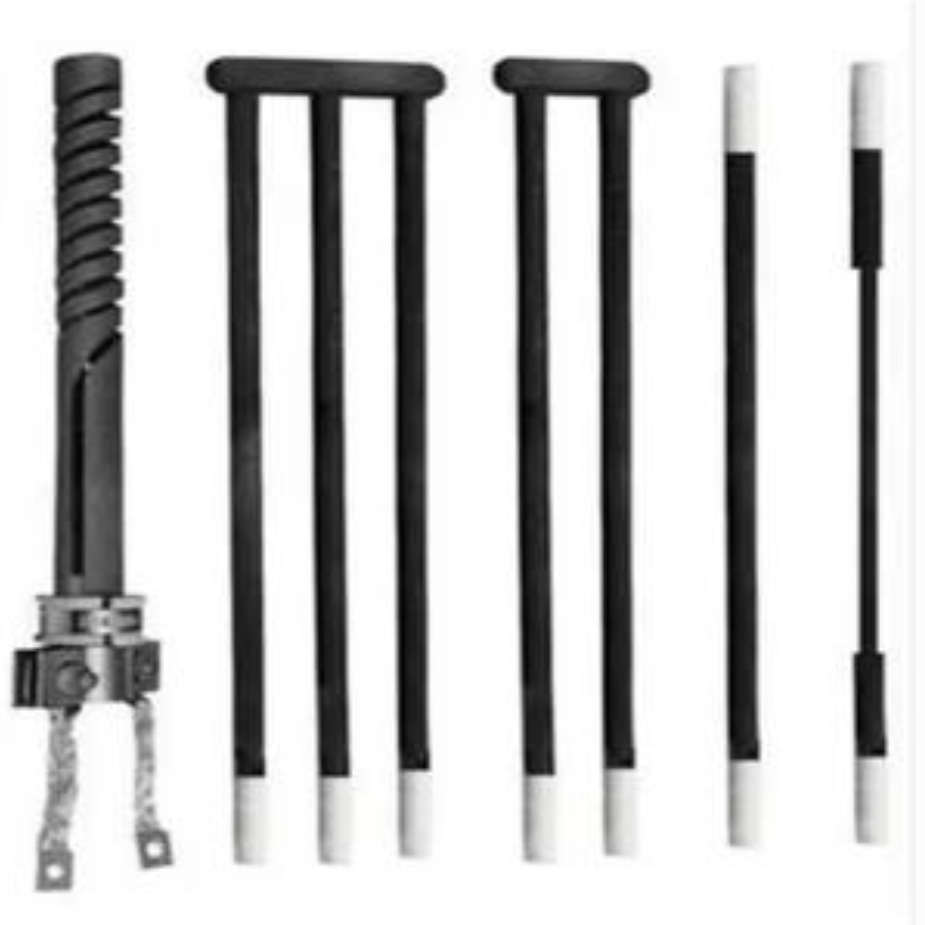
Silicon carbide rod heaters are electric heating elements made from high-grade green silicon carbide. Compared with metal heaters, these non-metallic parts handle very high heat, stand up to chemical attack, and last a long time. Many plants in ceramics, glass, metallurgy, and powder metallurgy count on them for steady heat work. Keeping silicon heating elements in service longer cuts lost time and helps daily output, so long life matters in real production.
Looking for high-quality SiC heating elements? Explore Jiaxin ‘s product range here
Understanding Silicon Carbide Heating Elements
What makes silicon carbide rod heaters unique?
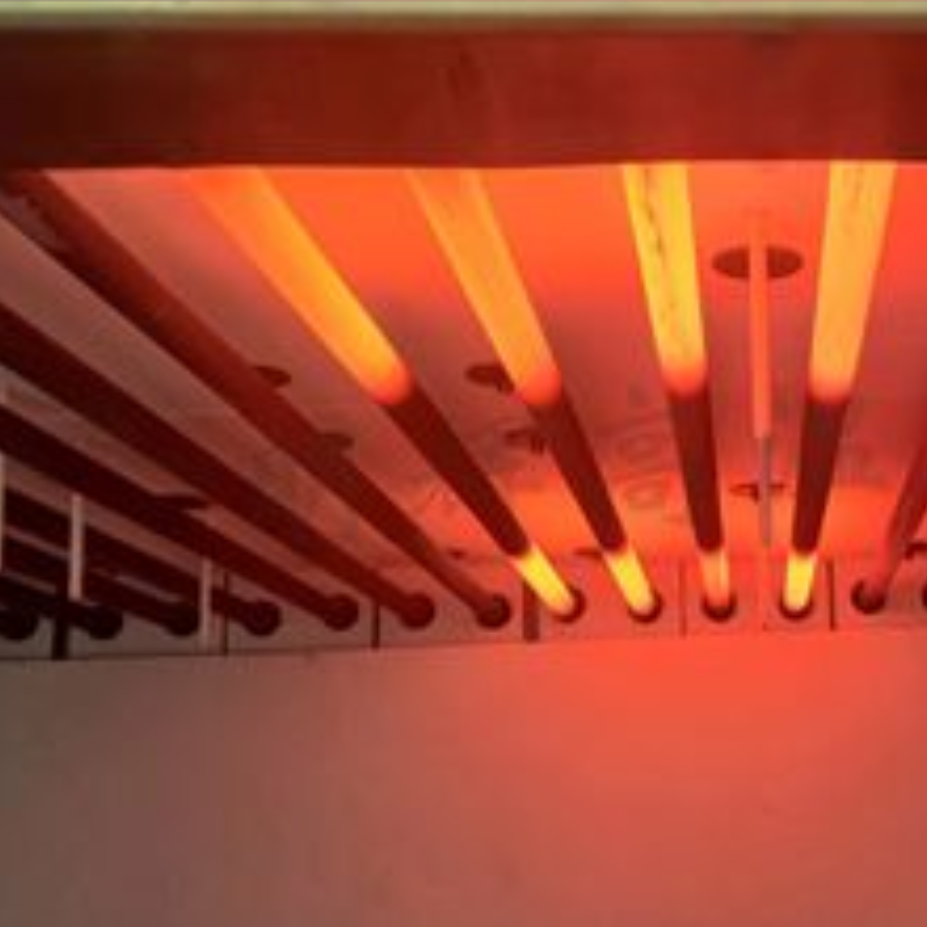
Silicon carbide rod heaters gain strength from a high-temperature crystal step. Jiaxin carbide’s proprietary process minimizes deformation under thermal load and helps the element maintain structural integrity at temperatures up to 1600 °C. Good heat flow, low pore count, and tight resistance control let the parts give even heat along the full hot zone.
How do silicon heating elements work in high-temperature furnaces?
A silicon heating element turns electric power into heat by resistance. Current passes through the SiC body and warms the hot zone evenly. Jiaxin silicon carbide heating elements use a cold-end design that lowers the chance of hot spots and cuts stress on furnace walls.
Why Silicon Carbide Rod Heaters Degrade Over Time
What physical factors affect the durability of SiC heating elements?
Surface load (W/cm²) is the main item that sets service life. It is the power per unit area of the hot zone and must match the furnace temperature. Higher loads increase the element’s operating temperature and accelerate wear. Because SiC is a ceramic material, it can break if struck or bent during handling or installation. Temperature limits also matter. Above 1627 °C, the thin SiO₂ layer on the surface starts to fail, and oxidation then moves faster.
Over months of use, the resistance slowly climbs. This rise is called aging. Hotter runs and wrong load settings make the rise quicker. Thermal growth and poor fit also cause trouble. Holes in the furnace wall must be 1.5 times the part diameter so the rod can expand freely. Fast voltage jumps at start-up can crack the part right away.
How do chemical factors reduce heater lifespan?
Some chemicals attack the material. Alkali oxides react with SiC near 1300 °C and form soft silicate layers that wear the surface. Molten cobalt or nickel also eats into the part and shortens its life.
What operational errors shorten service life?
Improper furnace operation can accelerate damage. Surface load above the set value can cause runaway heat. Quick heat-up or cool-down adds stress. Skipping the dry-out step on a new or idle furnace can start early oxidation at the cold ends.
How to Extend the Life of Silicon Carbide Rod Heaters
How to select the right silicon carbide rod heaters for your furnace?
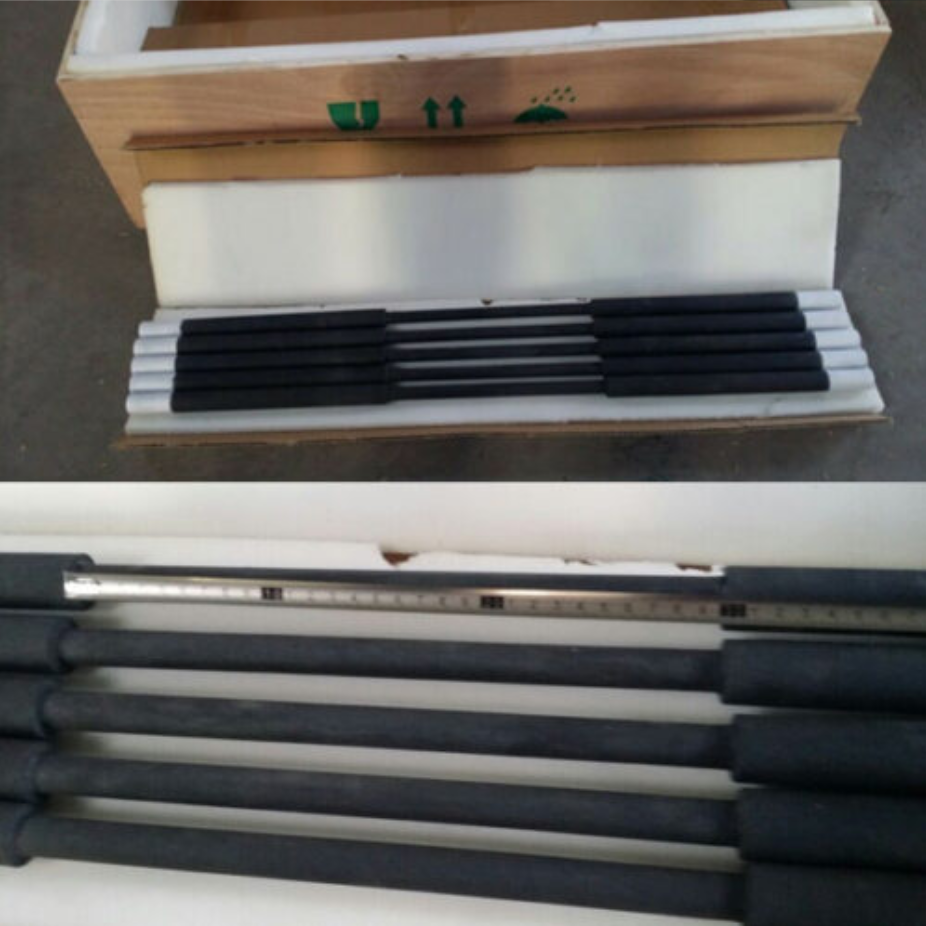
Pick the right part by matching furnace style, needed temperature, and safe surface load. Jiaxin lists outer diameter, hot-zone length, and resistance value for each model so users can stay inside safe limits.
How to prevent chemical corrosion and oxidation?
To slow chemical attack, run the furnace in a clean or inert gas when the process allows. Keep ammonia, CO₂, and halogen gases away from the parts. In some cases, a protection tube can be placed around the SIC heating element.
How to maintain and inspect SiC heating elements regularly?
Check resistance on a set schedule. Rising values point to surface oxidation. Swap parts when readings move outside the stated band instead of waiting for a fixed date. Keep furnace conditions inside the rated range so the parts see only normal stress.
Troubleshooting Common Issues
What to do if a silicon carbide rod heater cracks or fails?
Turn off the power, let the furnace cool, and remove the broken part without hitting the others. Fit a new Jiaxin silicon carbide heating element that matches the old one in size and resistance.
How to identify resistance changes and aging in silicon heating elements?
Record resistance at set intervals. A steady climb usually means the surface is oxidizing. Plan a replacement before the value drifts too far and causes a shutdown.
How to replace damaged silicon carbide heating elements safely?
Loosen the braid strap, pull out the old ceramic spacers, slide the new part into place, and check that it sits straight. Raise voltage slowly on restart so the part warms evenly and avoids thermal shock.
Best Practices for Long-Term Performance
How often should furnaces be dried and preheated?
New or long-idle furnaces need a slow dry cycle at 100–200 °C before full heat. This step keeps moisture from causing early oxidation at the cold ends.
What monitoring tools help maintain optimal heater life?
Simple meters for voltage and current show the load on each part. Temperature controllers hold the hot zone steady. Recording systems track changes over weeks and flag any drift early.
Conclusion
Long service from silicon carbide rod heaters comes from correct choice, careful fit, and steady running conditions. Jiaxin silicon carbide heating elements give strong high-temperature performance, resist chemical attack, and keep power use steady. Good handling and regular checks let these parts deliver heat for years and help plants cut both downtime and cost.
FAQ
Q: How does jiaxin silicon carbide rod heater resist oxidation?
A: Jiaxin silicon carbide heating elements go through a high-temperature crystal step. A thin protective film forms on the hot zone and slows oxidation, so the part lasts longer.
Q: What is the recommended surface load for a Jiaxin silicon heating element?
A: Surface load changes with furnace temperature. At 1400 °C, the hot zone should stay at or below 5 W/cm².
Q: How to handle a fractured silicon carbide heating element?
A: Cool the furnace, take out the broken part without touching the rest, and fit a new Jiaxin silicon carbide heating element that matches the old size and resistance.
Q: Why does a silicon carbide rod heater’s resistance increase over time?
A: Slow oxidation at high temperature makes resistance rise bit by bit. Watching the resistance rise helps users plan a replacement before failure.
Q: How does Jiaxin ensure long-life SiC heating elements?
A: Jiaxin controls the cold-end manufacturing process, maintains a stable recrystallization process, and inspects each batch in accordance with ISO 9001 standards. These steps give steady quality and longer life in use.