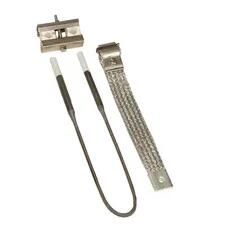
Mosi2 furnace heating element explained: discover what it is, when it is used in alloy processing, and why it delivers stable high-temperature performance for cleaner, more reliable furnaces.
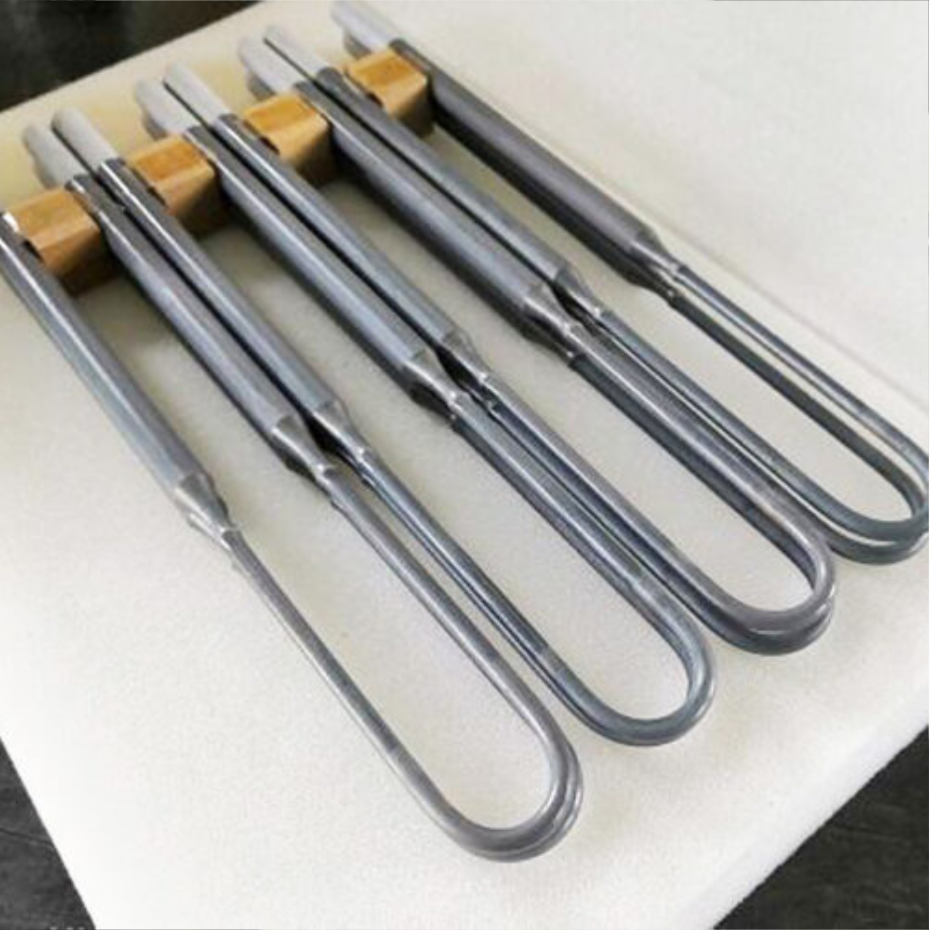
A mosi2 furnace heating element is built for temperatures that push beyond the comfort zone of many conventional resistance materials. It heats quickly, keeps a stable output, and forms a protective oxide layer in air, which makes it especially relevant in alloy processing where thermal consistency directly affects structure, surface quality, and final properties.
That relevance has grown as furnaces are expected to run hotter, cleaner, and with tighter process windows. In alloy-related heat treatment, sintering, melting support, and laboratory thermal work, the choice of heating element often shapes not only peak temperature, but also maintenance cycles, contamination risk, and production stability.
Understanding the material behind the element
MoSi2 stands for molybdenum disilicide, a compound widely used as an electric heating material in high-temperature furnaces. When electricity passes through it, the element converts electrical energy into heat with strong efficiency in oxidizing atmospheres.
Its best-known feature is the silica-based protective film that develops on the surface during operation. This layer helps the element resist oxidation at elevated temperatures, which is one reason a mosi2 furnace heating element remains a preferred option for demanding thermal cycles.
Simple comparisons can be misleading, though. MoSi2 is not just “a hotter alternative” to silicon carbide or metallic wire. It behaves differently in resistance, service environment, aging pattern, and furnace design requirements.
Why alloy processing often points to MoSi2
Alloy production and heat treatment rarely tolerate temperature drift. Small deviations can change grain growth, phase balance, hardness response, oxidation scale, or diffusion behavior. In that context, stable radiant heating matters as much as maximum temperature.
A mosi2 furnace heating element is commonly selected when furnace temperatures move into ranges where metallic elements lose practicality, and where cleaner operation is preferred over fuel-based heating. It is also useful where repeatability matters more than short-term equipment cost.
For alloy-related operations, that can include powder metallurgy, specialty sintering, sample preparation, thermal analysis, ceramic-metal composite work, and laboratory furnaces used to simulate industrial thermal profiles.
Where it is typically used
The practical answer to “when is it used” starts with temperature and atmosphere. MoSi2 elements are often chosen for high-temperature furnaces operating in air or other oxidizing environments, especially when clean chamber conditions are needed.
| Application area | Why MoSi2 is considered |
| Alloy heat treatment trials | Stable temperature control and cleaner furnace atmosphere |
| Powder metallurgy sintering | High operating temperature with good thermal response |
| Ceramic and cermet processing | Resistance to oxidation and long high-temperature holding |
| Lab and pilot furnaces | Repeatable cycles and compact high-temperature capability |
| Glass and advanced materials work | Fast heat-up and reliable radiant heating |
pattern, chamber geometry, control system, and operating rhythm all affect performance. A correct match depends on the full thermal process, not only the name of the material being heated.
What makes a mosi2 furnace heating element different
Several characteristics explain why this heating material remains important in industrial and research furnaces.
- High temperature capability, often extending well above the range of metallic resistance elements.
- Strong oxidation resistance in air due to the protective surface film.
- Fast response, which helps shorten ramp-up time in controlled heating programs.
- Relatively stable electrical behavior over long service periods when properly operated.
- Cleaner heating conditions than direct combustion systems in many precision processes.
These advantages matter in alloy work because the furnace is not only generating heat. It is also shaping microstructure, oxidation behavior, dimensional stability, and reproducibility from batch to batch.
Selection is not only about maximum temperature
A frequent mistake is choosing a mosi2 furnace heating element based only on the target setpoint. In practice, several other variables determine whether it is the right solution.
- Atmosphere and contamination sensitivity
MoSi2 performs well in oxidizing atmospheres, but process conditions still need review. Volatile compounds, aggressive vapors, or unusual chamber chemistry can influence element life and surface condition.
- Thermal cycling pattern
A furnace used for repeated short cycles behaves differently from one that holds at temperature for long periods. Element design, suspension, and power control should match the cycle profile.
Load and chamber arrangement
Dense alloy loads absorb heat differently from light laboratory samples. Uneven loading can create local stress, shadowing, or hot zones that reduce performance even when the element itself is correctly specified.
- How product form affects furnace integration
MoSi2 elements are produced in several shapes because furnace layout changes the mechanical and thermal demands on the element. Straight, U-type, and W-type structures are used according to chamber size, mounting method, and required heating distribution.
In some furnace designs, a shaped product such as W-type Mosi2 Heating Element helps increase heated length within a compact installation space. That can be useful where designers need more radiant surface without enlarging the chamber.
Shape selection should still follow practical checks: hot zone size, terminal arrangement, power supply compatibility, service access, and expected replacement procedures. Good geometry on paper does not guarantee easy maintenance in operation.
Why supplier experience matters in real projects
For high-temperature components, manufacturing consistency has direct process value. Material purity, density control, dimensional accuracy, joint strength, and quality inspection all influence service life and thermal reliability.
Liao yang jia xin carbide co ltd has focused on developing, manufacturing, and supplying SiC heating elements, MoSi2 heating elements, silicon carbide protective pipes, and graphite products since 2007. Its longer production background and export experience across the United States, Germany, France, Poland, Spain, Turkey, Russia, Ukraine, Japan, Korea, Singapore, Vietnam, Thailand, Iran, and other markets suggest familiarity with varied furnace standards and application demands.
That matters because a mosi2 furnace heating element is rarely an isolated purchase. It is part of a thermal system where installation guidance, dimensional matching, and replacement planning can influence furnace uptime as much as the element material itself.
Practical checks before choosing one
A more useful buying or specification process starts with a short technical checklist.
- Confirm continuous operating temperature, not only maximum design temperature.
- Review furnace atmosphere, including vapors from alloy additives or binders.
- Check chamber dimensions and heating zone uniformity requirements.
- Compare element shape with mounting space and maintenance access.
- Ask about expected service life under the actual cycle schedule.
- Match power control and electrical connections to the element specification.
Where compact layout and extended hot length are needed, products like a W-type Mosi2 Heating Element may be worth comparing against simpler forms. The better choice depends on furnace geometry, not on product naming alone.
A useful way to move forward
The right view of a mosi2 furnace heating element is practical rather than abstract. It is a high-temperature heating solution best understood through process temperature, atmosphere, chamber design, and the stability demands of the material being treated.
For alloy-related work, the next step is usually to map the real furnace conditions before comparing element options. Once temperature range, cycle pattern, atmosphere, and load characteristics are clear, it becomes much easier to judge whether a mosi2 furnace heating element fits the process, or whether another heating material would perform better over time.
Pingback: How to Choose a MoSi2 Heating Element by Temperature, Shape
Thank you for your professional comment on the critical role of right MoSi₂ furnace heating elements in stable high-temperature operation, energy efficiency and long service life!
If you need detailed specifications, technical parameters or quotation information, please contact me via WhatsApp: +8615804230746 for full details.