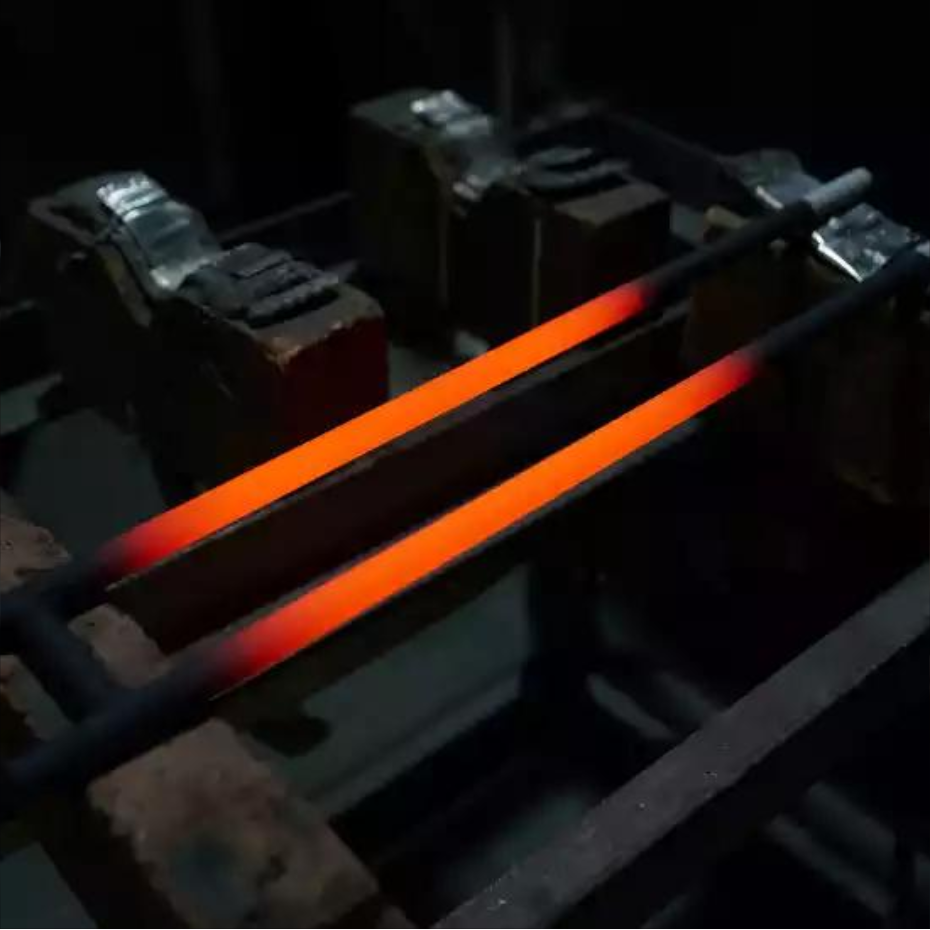
Silicon carbide rods are non-metallic high-temperature heating
elements sintered with high-purity silicon carbide raw materials.
They consist of two parts: high-temperature heating section and cold
conductive terminal. Under oxidizing environment, they can work stably
at 1350–1450℃ long-term, with instantaneous max surface temperature up
to 1550℃. Widely applied in industrial kilns, muffle furnaces and
sintering furnaces. Core advantages: fast temperature rise, uniform heat
conduction, great oxidation resistance, resistant to acid and alkali vapor corrosion.
https://jiaxincarbide.com/what-are-silicon-carbide-rods/Silicon Carbide Heating Elements
SiC Heating Elements Silicon Carbide Heating Elements Manufacturer
Silicon Carbide Heater SiC Heating Elements for Industrial Furnaces
SiC Heater High Temp Silicon Carbide Heater Rods

Silicon Carbide Rods
How to find us , please find us https://jiaxincarbide.com
Common Silicon Carbide Rod Shapes & Industrial Applications
Manufacturers produce multiple customizable SiC rod configurations to match different furnace
layouts and power requirements, including straight GD equal-diameter rods, DB double-thick cold-
end rods, space-saving U-type, multi-heating zone W-type, compact spiral and H-shaped silicon
carbide heating elements.
Accordingly, these rods serve cross-industry high-temperature manufacturing workflows globally:
Ceramic production: Tile kilns, sanitary ware firing furnaces and craft ceramic tunnel lines;
Glass processing: Raw glass melting furnaces and optical glass annealing equipment;
Powder metallurgy: Alloy powder sintering and precision metal heat treatment ovens;
Magnetic material manufacturing: Ferrite and rare earth magnet sintering kilns;
Laboratory equipment: Bench-top muffle furnaces and university high-temperature test ovens.
For operators comparing SiC rods against higher-temperature MoSi₂ heating elements, DigitalFire’s
open ceramic technical library offers practical case studies outlining when silicon carbide rods deliver
better cost and stability performance for medium-temperature production lines
How to Select Silicon Carbide Heating Rods for Industrial Kilns? Specs, Temperature & Service Life Guide
- What’s the Difference Between SiC Rod and MoSi2 Heating Element? Which One for High-Temperature Furnace
Why Do Silicon Carbide Rods Break Easily & Heat Unevenly? Troubleshooting & Solutions
What Is the Maximum Working Temperature of Silicon Carbide Rods? Usage Limits in Vacuum & Hydrogen Atmosphere
How to Calculate Power & Resistance of SiC Heating Rods? Voltage Matching Formula for Furnace Installation
U-type / W-type / Straight Silicon Carbide Rods: Which Fits Sintering Furnace? Installation & Wiring Tips
How Long Is the Service Life of Silicon Carbide Rods? Ways to Extend Service Time & Reduce Replacement Cost
Where to Buy Reliable Custom Silicon Carbide Rod Manufacturers with Low Resistance Drift
What Is the Standard Surface Load of SiC Heating Rods? How to Avoid Overheating Burnout
Silicon Carbide Rod Replacement Guide for Muffle Furnace, Ceramic Kiln & Powder Metallurgy Oven