
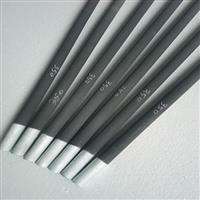
In India’s industrial landscape, from ceramic manufacturing to metallurgy, silicon carbide heating elements have become indispensable components in high-temperature processes. Their unique combination of durability, efficiency, and high-temperature resistance makes them a preferred choice for various applications. Understanding the technical data of silicon carbide heating elements is crucial for Indian industries to ensure optimal performance, safety, and cost-effectiveness. This article provides detailed technical information tailored to the needs of the Indian market.
Key Applications in Indian Industries
Silicon carbide heating elements find extensive use in numerous sectors across India. In the ceramic industry, they are used in kilns for firing pottery, tiles, and refractories. The metallurgical sector relies on them for heat treatment of metals, including annealing, hardening, and tempering. Additionally, they are employed in glass manufacturing, semiconductor processing, and even in some high-temperature research facilities. Their ability to operate in harsh environments with high temperatures and corrosive atmospheres makes them suitable for these diverse applications in India’s industrial hubs.
Essential Technical Data of Silicon Carbide Heating Elements
Electrical Characteristics
Silicon carbide heating elements for the Indian market come with a range of electrical characteristics that are tailored to fit the local industrial setup. The rated voltage is a key parameter, with options such as 220V, 380V, and 440V being commonly available to align with India’s standard industrial power grids. This ensures that the elements can integrate seamlessly with existing electrical infrastructure, as the rated voltage directly influences the amount of electrical energy they consume. The rated power, which indicates the heating capacity, varies significantly to cater to different needs—smaller elements for laboratory use might have a power rating of around 500W, while larger ones designed for industrial kilns can reach 10kW or more. This variation allows industries to select elements based on their specific heating rate requirements and the size of the space that needs heating. Cold resistance, referring to the resistance at room temperature (typically 25°C), is another important electrical attribute, with most elements falling in the range of 0.5Ω to 50Ω depending on their size and design. This value is crucial for calculating the initial current when the element is turned on. Hot resistance, on the other hand, is the resistance when the element is operating at high temperatures, and it is higher than cold resistance due to silicon carbide’s positive temperature coefficient. This hot resistance value is vital for determining the power output during operation and ensuring stable performance.
Thermal Characteristics
The thermal characteristics of silicon carbide heating elements are what make them stand out in high-temperature applications. One of their most notable features is the maximum operating temperature, which ranges from 1300°C to 1600°C, making them ideal for the high-temperature industrial processes prevalent in India. The specific maximum temperature depends on the grade of silicon carbide used and the element’s design, allowing industries to choose based on their exact temperature needs. Silicon carbide has a positive temperature coefficient of resistance, meaning its resistance increases as the temperature rises, and this characteristic plays a key role in stabilizing the element’s power output as temperatures fluctuate. It helps prevent overheating and ensures uniform heating, which is essential for consistent process results. Additionally, the heating rate of these elements is relatively fast, enabling quick attainment of the desired operating temperature. This is particularly beneficial for industrial processes where reducing production time and improving efficiency are priorities, as it allows for faster cycle times and increased productivity.
Mechanical Characteristics
The mechanical characteristics of silicon carbide heating elements contribute to their durability and versatility in various industrial settings. They are available in a wide range of diameters and lengths to suit different applications, with common diameters ranging from 6mm to 25mm and lengths from 100mm to 2000mm or more. The selection of diameter and length is determined by the size of the heating chamber and the required heat distribution, ensuring that the elements can fit and function effectively in different equipment. Bending strength is another important mechanical property, measuring the element’s ability to resist bending under load. Silicon carbide heating elements typically have good bending strength, with values in the range of 150MPa to 300MPa, allowing them to be installed in various configurations without easily breaking. This flexibility in installation is valuable for adapting to different industrial setups. Moreover, these elements exhibit excellent thermal shock resistance, which is crucial in applications where there are rapid temperature changes. They can withstand sudden variations in temperature without cracking or breaking, ensuring a long service life even in unstable operating conditions common in some Indian industrial environments.
Installation and Maintenance Considerations
Proper installation and maintenance are essential to ensure the longevity and performance of silicon carbide heating elements in India’s industrial settings. When installing, it is important to ensure that the elements are properly aligned and secured to prevent vibration and damage, as any misalignment or loose fitting can lead to premature wear or failure. The electrical connections must be tight and insulated to avoid electrical losses and safety hazards, as poor connections can result in reduced efficiency and even risk of electric shock. Regular maintenance includes cleaning the elements to remove dust, dirt, and other contaminants that can accumulate over time and reduce their heating efficiency. It is also important to inspect the elements periodically for cracks, damage, or signs of wear, and to replace them when necessary to avoid disruptions in production. Additionally, the control systems used with silicon carbide heating elements should be calibrated regularly to ensure accurate temperature control, as precise temperature regulation is critical for maintaining product quality and process consistency.
Conclusion
Silicon carbide heating elements offer excellent performance and reliability for high-temperature industrial applications in India. By understanding their key technical data, including electrical, thermal, and mechanical characteristics, as well as following proper installation and maintenance procedures, Indian industries can maximize the efficiency and lifespan of these elements, contributing to improved productivity and cost savings. Whether in ceramic kilns, metallurgical furnaces, or other high-temperature equipment, these elements play a vital role in driving India’s industrial growth by enabling efficient and consistent high-temperature processes.