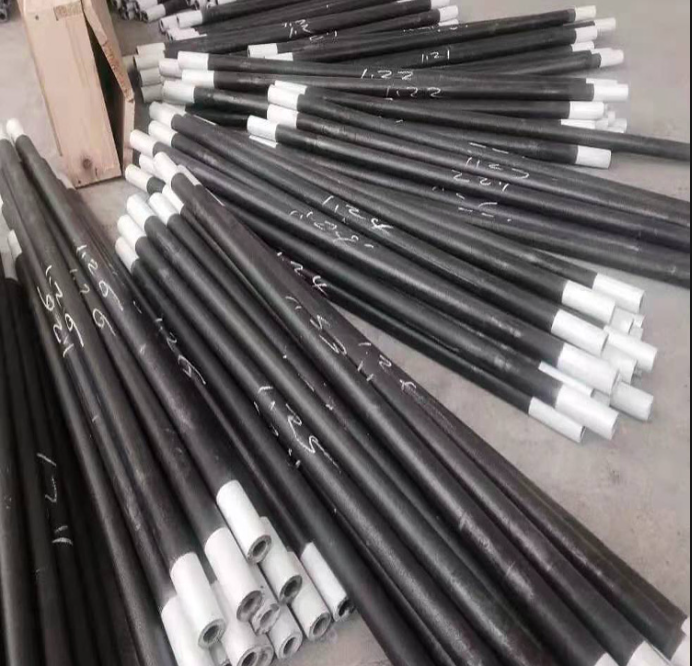
Properly choose silicon carbide heating element is the core work of furnace new design, renovation and routine maintenance. Accurate SiC heater selection brings stable high-temperature operation, long service life, low energy consumption and consistent heating effect; if you fail to choose silicon carbide heating element matching your equipment, elements will age rapidly, furnace temperature distribution will be unbalanced, power waste will rise, and you need frequent shutdown replacement. At this time, cooperating with a professional furnace heating element supplier can solve most troubles in SiC heater selection.
For furnace manufacturers, maintenance engineers and industrial buyers, the core of SiC heater selection is not simply how to choose silicon carbide heating element from catalogs, but to match elements with furnace operating temperature, electrical system and production demand. This article covers full factors for you to choose silicon carbide heating element, introduces mass mainstream application scenarios of silicon carbide heating elements across industries, and tells how a reliable furnace heating element supplier supports your whole SiC heater selection process, including furnace temperature, electrical parameters, element size, resistance, atmosphere, installation and service life.
1. Why Industrial Users Need to Choose Silicon Carbide Heating Element, Core Merits & Full Industrial Application Scenarios
When you choose silicon carbide heating element, the first step is to know its application advantages and applicable industry scenarios, which is the basic logic of standard SiC heater selection. Silicon carbide heating elements dominate high-temperature furnaces for stable electric heating performance, with obvious strengths over metal heating wires:
- Support long-term ultra-high temperature running up to 1600°C
- Outstanding anti-oxidation capacity under high heat
- Stable thermal performance against frequent heating & cooling cycles
- Maintain strong mechanical strength at working temperature
- Longer cycle life with correct SiC heater selection
- Simple electric signal matching with common temperature controllers
- Fit non-stop mass production lines
- Adapt to diverse atmospheres including air, vacuum, inert and weak reducing gas
Main Application Scenarios Where You Must Choose Silicon Carbide Heating Element
A wide range of manufacturing, new energy, electronics, lab research industries rely on silicon carbide heating elements, and every scenario puts forward unique customized requirements for SiC heater selection, which you must communicate clearly with your furnace heating element supplier:
- Ceramic & Refractory Industry
This is the largest consumption market when buyers choose silicon carbide heating element. It covers tunnel kilns, roller kilns, shuttle kilns for daily ceramics, sanitary ceramics, architectural ceramic tiles, advanced alumina ceramics, piezoelectric ceramics, MLCC chip capacitors and magnetic ferrite sintering furnaces. Uniform stable heat from SiC elements avoids ceramic cracking or color difference during firing, and professional furnace heating element supplier can adjust surface load parameters for long continuous kiln lines in your SiC heater selection. - Glass Manufacturing Industry
SiC heaters are core heating parts for float glass tin bath heating, optical glass melting furnaces, borosilicate glass deep processing furnaces, glass annealing lehrs and fiber glass production equipment. High corrosion resistance against volatile glass melt is a critical index during your SiC heater selection, and your furnace heating element supplier will recommend anti-corrosion coated silicon carbide heating element for glass workshops. - Metallurgy & Metal Heat Treatment
Mass furnace types here require users to choose silicon carbide heating element: rotary hearth furnaces, elevator furnaces, aluminum alloy melting & holding furnaces, low-pressure die-casting furnaces, powder metallurgy sintering furnaces, steel bright annealing furnaces, gear carburizing furnaces, die quenching & tempering furnaces, copper alloy brazing furnaces. For reducing atmosphere metal processing, your furnace heating element supplier will optimize element formula in SiC heater selection to slow resistance drift. - Semiconductor & Photovoltaic Electronics Industry
High-precision production lines strictly choose silicon carbide heating element for wafer diffusion furnaces, monocrystalline silicon growth furnaces, semiconductor substrate sintering furnaces, photovoltaic slurry sintering furnaces, optical fiber preform heating equipment. Ultra-clean, low-pollution heating performance is prioritized in SiC heater selection, and experienced furnace heating element supplier supplies high-purity customized elements for electronic grade production. - New Energy Material Industry
Lithium battery cathode/anode calcination furnaces, carbon fiber preoxidation furnaces, rare earth phosphor sintering furnaces all depend on matched silicon carbide heating element. Temperature consistency directly decides battery material yield, so you need to share full production atmosphere data to your furnace heating element supplier for precise SiC heater selection. - Laboratory & Scientific Research Equipment
Box muffle furnaces, tubular furnaces, vertical experimental furnaces in universities, material testing institutes, quality inspection labs universally choose silicon carbide heating element. Small batch, multi-spec custom demand is common, and flexible customization capability of your furnace heating element supplier simplifies small-order SiC heater selection. - Special High-Temperature Industries
Including aerospace alloy heat treatment furnaces, medical bioceramic sintering equipment, refractory material testing furnaces, environmental high-temperature waste incineration test furnaces, all of which need targeted parameter adjustment during SiC heater selection with technical support from your furnace heating element supplier.
However, there is no universal standard when you choose silicon carbide heating element. Different furnaces in above application scenarios require unique element diameter, length, resistance, wattage and wiring design. That means all SiC heater selection must start from furnace working conditions and corresponding industry process; consulting a professional furnace heating element supplier at the early stage can avoid wrong parameter judgment for your specific application.
2. Step 1: Confirm Furnace Working Temperature as the Starting Point of SiC Heater Selection
The first parameter you must confirm before you choose silicon carbide heating element is furnace actual operating temperature, which is the primary index of standard SiC heater selection. Even if silicon carbide elements support high heat, their applicable range is limited by element model, furnace atmosphere, load and industry application scenario. Before you choose silicon carbide heating element, sort out these data and share them with your furnace heating element supplier:
- Normal steady working temperature
- Maximum peak temperature
- Heating & cooling cycle frequency
- Required heating-up speed
- Inner volume of furnace chamber
- Continuous 24h running or intermittent batch production
- Corresponding industry application type (ceramic/glass/semiconductor/lab etc.)
For instance, a lab small tube furnace running at stable moderate temperature needs totally different element configuration from a 24-hour float glass production furnace frequently reaching temperature limit. Never choose silicon carbide heating element only by its labeled maximum temperature; real furnace environment and industry process decide element service life, and a qualified furnace heating element supplier will evaluate full working conditions plus application industry instead of recommending products by temperature alone in your SiC heater selection.
3. Step 2: Calculate Total Heating Power for Accurate SiC Heater Selection
After confirming temperature range and application industry, calculate total heating power, another key indicator when you choose silicon carbide heating element. Total power is affected by chamber volume, heat insulation, heating speed, workpiece load, ambient temperature, heat loss, operating temperature, production cycle, furnace structure and processing materials of your target industry.
For old furnace replacement in any application field, you can reference original heating system data quickly: equipment nameplate, electrical drawings, old element specs and control cabinet documents. Collect all electrical data and submit to your furnace heating element supplier to guarantee error-free SiC heater selection:
- Total furnace heating power
- Quantity of heating elements to install
- Input voltage
- Working current
- Single-element rated power
- Single-phase / three-phase power supply
- Series & parallel connection mode
For replacement projects across all application scenarios, matching original electrical design is safer; if you change all electrical parameters without engineer verification from your furnace heating element supplier, your SiC heater selection will go wrong and cause equipment breakdown in ceramic, semiconductor or metallurgy production lines.
4. Step 3: Match Suitable Element Diameter During SiC Heater Selection
Element diameter directly determines resistance, mechanical strength, surface load and service life, which cannot be ignored when you choose silicon carbide heating element for any application furnace. Larger diameter owns wider conductive cross-section, suitable for high-power and harsh working environments such as metal melting furnaces, but bigger diameter does not equal better performance for small lab tubular furnaces.
To choose silicon carbide heating element with proper diameter, communicate with your furnace heating element supplier and provide: single-element power, element length, target resistance, furnace inner space, installation clearance, working temperature, surface load, mechanical demand and industry application type. The installed element cannot touch insulation, furnace wall or workpieces. When replacing old parts from glass kilns or battery material furnaces, measure real diameter instead of reading manual labels, and send measured data to your furnace heating element supplier for precise SiC heater selection.
5. Step 4: Distinguish Heated Length & Overall Length for Precise SiC Heater Selection
Every silicon carbide heating element has heated section (heat generation zone inside furnace) and cold terminal section (wire connection part through furnace wall). Clear length classification is essential when you choose silicon carbide heating element for all application scenarios. Before confirming specs with your furnace heating element supplier, define four length dimensions for smooth SiC heater selection: overall element length, pure heated length, cold-end transition length, terminal length, plus furnace wall thickness and installation gap.
The heated section must align with the furnace’s uniform heating zone; misplaced heated zone leads to uneven temperature and local overheating, which severely damages ceramic blanks, semiconductor wafers or metal castings. For replacement orders from tunnel kilns, photovoltaic sintering furnaces or lab furnaces, draw a simple dimensional sketch and send photos of old elements to your furnace heating element supplier, which greatly reduces delivery mismatch risks in your SiC heater selection.
6. Step 5: Match Electrical Resistance, the Core of SiC Heater Selection
Resistance is the most critical electrical index when you choose silicon carbide heating element, based on the heating formula: P = V² / R (P=power, V=voltage, R=resistance). Resistance fluctuation changes heating power drastically under fixed voltage, which directly impacts product yield in sensitive application fields like electronics and new energy.
A unique feature of silicon carbide elements: resistance rises with temperature, and drifts gradually after long running. This rule reminds you never choose silicon carbide heating element only by physical size. Your cooperative furnace heating element supplier must calculate cold resistance, hot working resistance, rated voltage, single-element power, control system, element quantity and transformer parameters combined with your furnace’s industry application to complete reliable SiC heater selection. Mismatched resistance causes insufficient heating, overcurrent, control failure and fast element burnout on all production lines.
7. Step 6: Analyze Furnace Atmosphere Before You Choose Silicon Carbide Heating Element
Inner furnace gas environment largely affects element service life, a necessary evaluation part of complete SiC heater selection for every application industry. Before you choose silicon carbide heating element, tell your furnace heating element supplier the exact working atmosphere and corresponding production process: air environment for ceramic kilns, inert shielding gas for semiconductor diffusion furnaces, reducing atmosphere for powder metallurgy sintering furnaces, vacuum for lab high-temperature testing furnaces or special corrosive process gas for glass melting workshops. Also confirm whether heated workpieces release corrosive vapor, dust or volatile compounds.
Although silicon carbide has premium anti-oxidation performance, severe corrosive gas shortens element lifespan sharply. For special atmosphere processes in new energy or metallurgy industries, provide full production details to your furnace heating element supplier, who will customize exclusive elements in your SiC heater selection.
8. Step 7: Combine Furnace Load & Temperature Uniformity in SiC Heater Selection
Furnace loading capacity changes your standard to choose silicon carbide heating element across all application scenarios. Light-load idle lab furnaces and full-load mass-production ceramic tunnel kilns have totally different heating demands; large ceramic blanks, metal ingots, lithium battery powder absorb massive heat, requiring matched high-power elements.
Element layout also impacts temperature uniformity: side-wall installation for roller ceramic kilns, top suspension for glass annealing furnaces, bottom placement for metal melting furnaces or multi-zone independent heating for semiconductor continuous furnaces. Reasonable layout reduces furnace temperature difference, and multi-zone furnaces in photovoltaic and ceramic industries need separated spec evaluation in SiC heater selection. For large industrial furnaces in any field, using identical elements for all zones is not optimal; your furnace heating element supplier can calculate independent element specs for each heating zone based on your actual production load.
9. Step 8: Calculate Surface Load to Optimize SiC Heater Selection
Surface load means power borne by unit heated area of elements, a non-negligible factor when you choose silicon carbide heating element for all industrial and lab applications. Excessively high surface load pushes element temperature beyond design limit and shortens service cycle, especially critical for 24h continuous glass, ceramic and battery material production lines.
When comparing different element models for SiC heater selection, do not only check total power; calculate power density of heated surface together. A professional furnace heating element supplier will recommend safe surface load range based on furnace temperature, element operating temperature, atmosphere, diameter, heated length, total power, furnace structure and your target industry application. This calculation is especially vital for non-stop high-temperature furnaces during your SiC heater selection.
10. Step 9: Confirm Terminal & Connection Design in SiC Heater Selection
Many buyers overlook terminal structure when they choose silicon carbide heating element, causing installation failure after delivery for lab furnaces, semiconductor equipment or large metallurgy kilns. Before placing orders, confirm these items with your furnace heating element supplier for flawless SiC heater selection: terminal shape, terminal length, terminal diameter, wiring fixture type, matching clamps, furnace wall hole size and safe electrical clearance.
Per design rules, cold terminals should stay far away from furnace high-temperature zones. Improper terminal assembly leads to local overheating and loose electric contact. For replacement work across all application industries, shoot photos of existing installation and send to your furnace heating element supplier, eliminating mismatched wiring accessories in your SiC heater selection.
11. Step 10: Match AC Power & Control System for Complete SiC Heater Selection
The furnace power control system must fully coordinate with the element model you choose silicon carbide heating element, regardless of whether it is a small lab furnace or a large float glass production furnace. Common control devices include SCR thyristor regulators, temperature controllers, programmable furnace controllers, transformers and multi-zone control cabinets widely used in semiconductor and ceramic manufacturing.
Since silicon carbide element resistance changes during operation and aging, your control system must adapt to resistance variation, which is a key matching point of SiC heater selection. For old furnace renovation in any industry, only replacing elements without checking controller and transformer parameters leads to equipment faults; work with your furnace heating element supplier to evaluate heating elements, power wiring and temperature control system as an integrated unit in your SiC heater selection.
12. Step 11: Prioritize Comprehensive Quality Instead of Unit Price in SiC Heater Selection
Price is important for industrial procurement of silicon carbide heating element for ceramic, metallurgy or new energy production lines, but picking the cheapest product is not the most cost-effective solution when you choose silicon carbide heating element. To assess product quality during SiC heater selection, cooperate with a trustworthy furnace heating element supplier and evaluate: raw material purity, dimensional stability of mass production, tight resistance tolerance, high-temperature mechanical strength, oxidation resistance, expected service life, complete quality inspection, protective packaging, restock cycle and full technical support for your specific industry application.
Low-cost elements burn out quickly, bringing hidden costs including production shutdown, disassembly labor, repeated purchase and lost orders for mass production workshops. When communicating with a furnace heating element supplier for SiC heater selection, ask for full technical datasheets and quality test reports instead of only comparing unit prices.
13. Step 12: Pick a Professional Furnace Heating Element Supplier to Support Your SiC Heater Selection
A reliable furnace heating element supplier provides far more than product catalogs; it is your core partner throughout the whole process when you choose silicon carbide heating element for any industry furnace. A qualified furnace heating element supplier can assist you in all links of SiC heater selection: verify element dimensions, resistance, matching voltage, single-element power, furnace working temperature, installation rules, furnace atmosphere, element spacing, replacement standards and industry-process customized adjustments.
For overseas purchasers engaged in ceramic, glass, semiconductor or metallurgy business, confirm whether your furnace heating element supplier supports non-standard customization, as most industrial furnaces across all application fields adopt unique sizes, and customization capacity greatly improves the accuracy of your SiC heater selection. When requesting quotations, submit all furnace, electrical and industry process data to your furnace heating element supplier, so they can launch targeted SiC heater selection proposals and avoid unusable elements.
14. Full Information to Submit to Furnace Heating Element Supplier for Fast SiC Heater Selection
To receive fast and accurate quotation and smooth SiC heater selection, organize four categories of complete information including your industry application and send to your furnace heating element supplier:
Furnace type, original furnace brand, normal working temperature, maximum temperature, chamber internal size, heating zone quantity, furnace inner atmosphere, target industry application (ceramic/glass/semiconductor/new energy/metallurgy/lab etc.).
Input voltage, total heating power, element installation quantity, single-element power, wiring connection method, measured resistance of old elements.
Element diameter, overall length, heated length, cold terminal length, terminal specs, element shape (straight rod / U-type / special custom shape), order quantity.
Single order quantity, delivery address, annual element consumption, regular replacement cycle, special packaging demands.
Attaching old element photos or dimension sketches helps your furnace heating element supplier finish precise SiC heater selection efficiently for your specific production application.
15. Pre-Order Checklist Before You Choose Silicon Carbide Heating Element
Before formal order placement, check all items below; consult your furnace heating element supplier for technical support if any parameter is unknown to guarantee zero-error SiC heater selection for your furnace’s application field:
- Furnace normal operating temperature and maximum peak temperature
- Inner furnace gas atmosphere and production process features
- Total heating power demand of the whole furnace
- Workshop input supply voltage
- Total number of heating elements to install
- Silicon carbide heating element diameter
- Element overall length and heated section length
- Terminal dimensional specifications
- Target resistance range for the element you choose silicon carbide heating element
- Safe surface load value for elements matching your production cycle
- On-site installation and fixing mode
- Model of matched temperature control equipment
- Quality standard requirements for products from furnace heating element supplier
- Corresponding industry application of your furnace
Conclusion: Systematic Logic to Choose Silicon Carbide Heating Element
To correctly choose silicon carbide heating element, never judge products only by temperature rating and price; system matching combined with your furnace’s industry application scenario is the core of standard SiC heater selection. The optimal element must fully match furnace working temperature, heating power, physical dimensions, resistance, inner atmosphere, installation space and production cycle of ceramic, glass, semiconductor, new energy, metallurgy or lab equipment, with full guidance from a trusted furnace heating element supplier.
Procurement and maintenance staff can finish complete SiC heater selection following six standardized steps:
- Record full furnace operation conditions including target industry application: working temperature, furnace atmosphere, heating-cooling production cycle and chamber size, then submit data to your furnace heating element supplier.
- Sort all electrical system parameters: supply voltage, total power, current, resistance and control mode for your furnace heating element supplier to carry out parameter calculation in SiC heater selection.
- Measure all dimensions of original old elements: diameter, heated length, overall length and terminal specs, share measurement data with your furnace heating element supplier.
- Evaluate long-term operating factors linked to your production industry: surface load, furnace temperature uniformity, workpiece loading capacity and corrosive gas impact during SiC heater selection.
- Compare comprehensive strength of multiple manufacturers and lock a stable furnace heating element supplier with good product quality, cross-industry customization ability, consistent batch performance, long service life and instant technical support for your application field.
- Double-check all dimensional and electrical parameters before mass production, confirm dimension drawings with your furnace heating element supplier to avoid costly order mistakes in SiC heater selection.
Accurate SiC heater selection when you choose silicon carbide heating element improves furnace stability, cuts power consumption, stabilizes inner temperature and raises finished product yield for all manufacturing and research application scenarios. Whether you replace old elements on ceramic kilns, glass melting furnaces, semiconductor sintering lines, lithium battery calcination equipment, metal heat-treatment furnaces or lab experimental furnaces, cooperating with an experienced furnace heating element supplier ensures perfect matching between silicon carbide elements and your whole furnace equipment.
All industrial procurement teams need to remember one core principle: never choose silicon carbide heating element simply based on appearance size or unit price. Complete SiC heater selection requires systematic evaluation of the entire furnace system and its industry application, with professional technical assistance from a reliable furnace heating element supplier.
High-frequency Keyword Statistics (Repeated & Highlighted)
- choose silicon carbide heating element: repeatedly appear in title, opening, each section, checklist and conclusion
- SiC heater selection: run through all chapters as core technical term
- furnace heating element supplier: added in every key step, linked with quotation, parameter confirmation, customization, industry application guidance and after-sales support
Expanded full industrial application scenarios of silicon carbide heating elements: ceramic, glass, metallurgy, semiconductor & photovoltaic, new energy battery, laboratory research, aerospace & medical special high-temperature equipment, with scenario-specific SiC heater selection requirements and supplier cooperation notes added in every relevant chapter