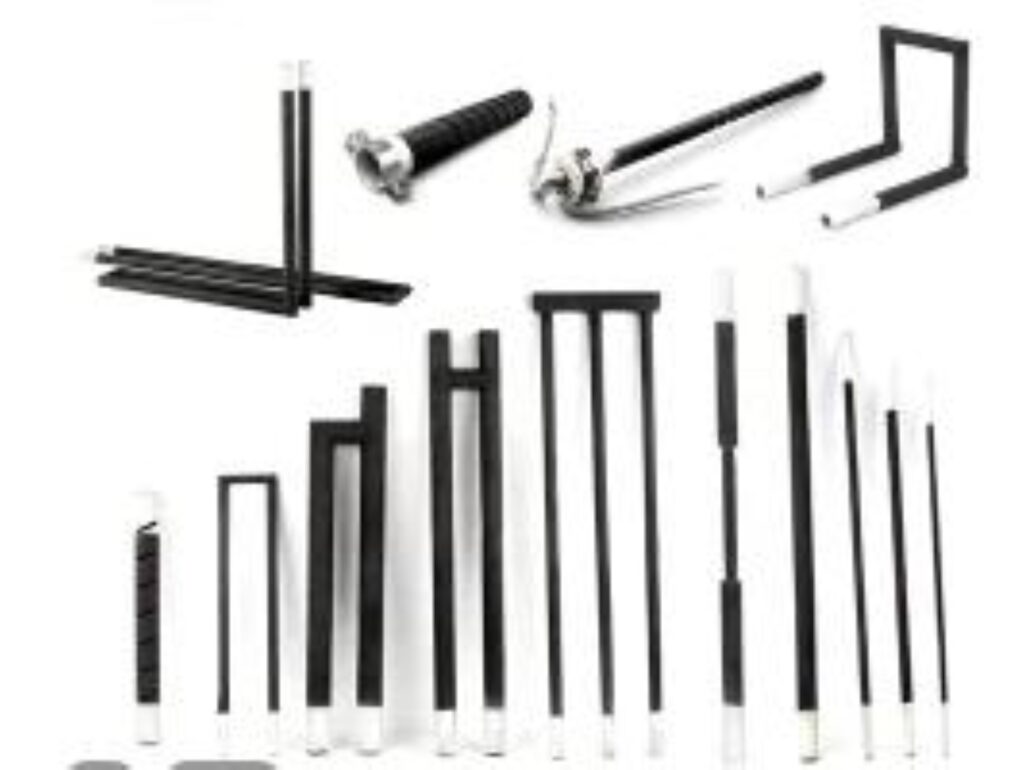
Do silicon carbide heaters need special installation clamps? Learn why dedicated clamps improve contact stability, protect brittle SiC elements, and reduce furnace downtime.
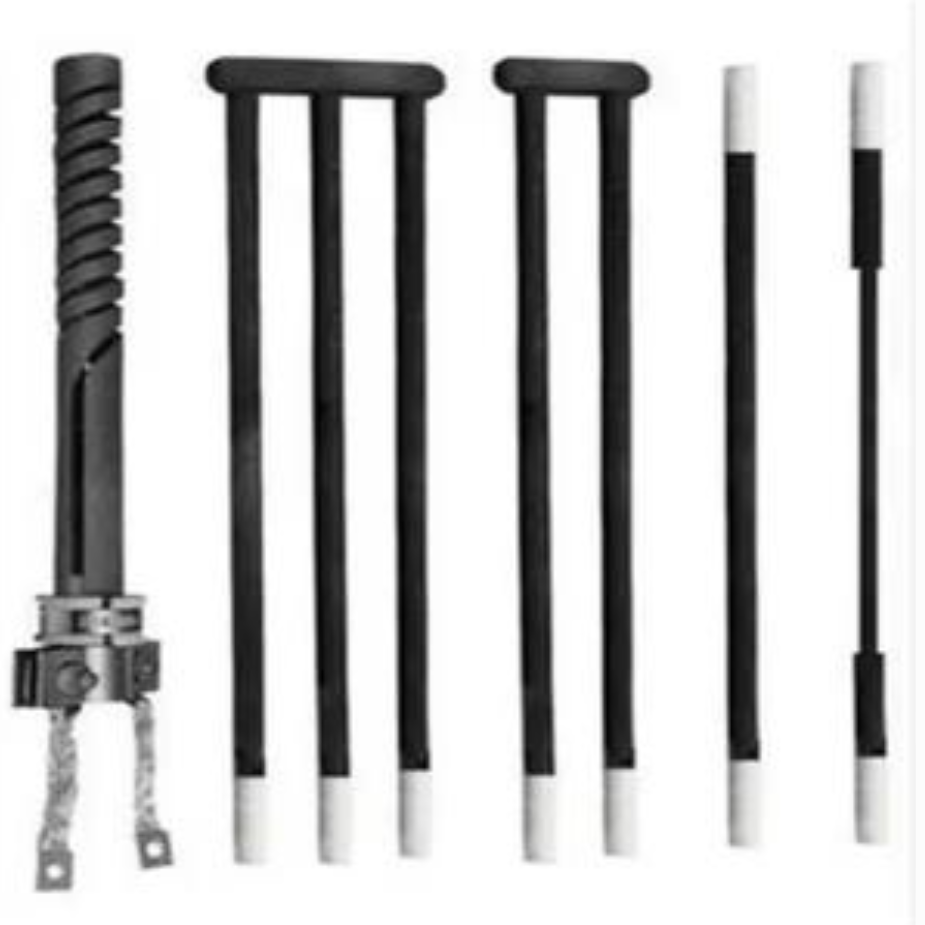
Do silicon carbide heaters need special installation clamps? In most high-temperature furnace applications, the answer is yes—proper clamps help ensure stable electrical contact, secure positioning, and longer heater service life. For manufacturers and furnace users, understanding the right clamp selection is essential to avoid uneven heating, premature damage, and costly downtime.
In alloy-related heat treatment, non-ferrous metallurgy, powder metallurgy, and laboratory furnace operations, silicon carbide heating elements often work under demanding conditions ranging from 800°C to 1,500°C or more. Under these temperatures, a poor clamp choice can create resistance instability, hot spots, loosened terminals, and unexpected shutdowns within a relatively short operating cycle.
For buyers, furnace builders, and maintenance teams, the question is not only whether special clamps are needed, but which clamp structure, contact material, and installation method best match the heater type and furnace design. This article explains when special installation clamps are necessary, how to choose them, and what practical details matter most in industrial alloy furnace service.
Why Silicon Carbide Heaters Usually Need Dedicated Clamps
Silicon carbide heaters are not ordinary metal resistance rods. Their resistance characteristics, brittle nature, and high operating temperature make the terminal connection far more sensitive than many standard electric heating systems. In most furnace layouts, dedicated clamps are used to connect the cold end area safely while protecting the hot zone from mechanical stress.
Electrical contact must stay stable over long cycles
A clamp has two basic tasks: maintain conductive contact and hold the element in position. If terminal pressure becomes too low after 20 to 50 heating cycles, the contact resistance can rise. That increase may lead to local overheating at the terminal, unstable current, and accelerated oxidation of nearby metallic accessories.
In alloy processing furnaces, where temperature uniformity may need to stay within ±5°C to ±15°C depending on the process, unstable electrical connection at one heater position can affect the whole chamber. Dedicated clamps reduce this risk by using proper geometry, suitable conductive parts, and controlled fastening pressure.
Mechanical support is important because SiC is rigid but brittle
Unlike flexible metallic wires, silicon carbide elements can crack if they are twisted, over-tightened, or supported unevenly. This is especially important for rod heaters installed horizontally across furnace walls or in multi-zone alloy kilns. A general-purpose fastener may create point loading, while a dedicated clamp spreads force more evenly over the terminal section.
For larger elements, such as outer diameters around 20 mm to 40 mm, the weight of the rod and the thermal expansion of the assembly can generate additional stress during startup and cooldown. Proper clamp selection helps manage these changes over daily, weekly, and continuous operating schedules.
High-temperature furnace environments require matched accessories
Alloy furnaces often involve oxidizing atmospheres, dust, scale, vibration, or repeated door opening. These conditions affect both heater terminals and surrounding hardware. Special installation clamps are usually designed to work with conductive belts, terminal braids, ceramic insulation fittings, and wall sleeves rather than functioning as standalone parts.
- They reduce terminal loosening during repeated thermal cycling.
- They help maintain consistent pressure across the cold end contact area.
- They support safer alignment between the heater, bus connection, and furnace wall opening.
- They make maintenance faster during planned shutdowns every 3 to 6 months.
This is why the answer to “do silicon carbide heaters need special installation clamps” is typically yes in industrial alloy applications, especially when the furnace runs above 1,000°C, uses multiple heating zones, or operates for long production batches.
When Standard Fasteners Are Not Enough
Some buyers initially assume that ordinary stainless steel clips or workshop-made brackets can perform the same role. In low-temperature or temporary testing setups, that may seem workable for a short time. However, industrial production furnaces place much stricter demands on conductivity, dimensional stability, and long-term service reliability.
Typical situations where special clamps are necessary
The need becomes clear when the heater is used in alloy sintering, metal heat treatment, brazing support equipment, or non-ferrous melting support systems. In these cases, the line current, thermal cycling frequency, and maintenance cost are all higher than in a small laboratory furnace.
The table below shows common furnace conditions and whether a dedicated clamp is usually recommended.
| Application condition | Typical operating range | Clamp recommendation |
| Small intermittent test furnace | 800°C–1,100°C, low cycle frequency | Dedicated clamp preferred; basic clamp may work only for short-term trials |
| Alloy heat treatment furnace | 1,000°C–1,350°C, batch production | Dedicated clamp strongly recommended |
| Powder metallurgy or continuous furnace | 1,100°C–1,500°C, long duty hours | Special clamp system required, including matched conductive and insulating accessories |
The key point is that standard fasteners may hold a rod physically, but they often fail to provide repeatable contact quality and thermal compatibility. In high-output industrial service, that difference can directly affect heater life, replacement frequency, and furnace stability.
Risks caused by unsuitable clamp selection
- Contact overheating at the terminal section.
- Loose connection after repeated expansion and contraction.
- Rod cracking due to over-tightening or side loading.
- Uneven current sharing in multi-element furnace banks.
- Longer downtime during troubleshooting and replacement.
A single failed connection in a 6-element or 12-element alloy furnace can interrupt a full production batch. When the batch includes critical metal parts or temperature-sensitive powder metallurgy products, the cost of one poor clamp decision may exceed the original accessory savings many times over.
How to Choose the Right Clamp for Silicon Carbide Heaters
Choosing the right clamp starts with the heater design and furnace layout. There is no universal accessory for every silicon carbide element. Buyers should evaluate at least 4 dimensions: heater shape, cold end size, current load, and furnace wall installation structure.
Match the clamp to the heater type
Silicon carbide heaters are available in several common forms, including straight rods, U-shaped elements, W-shaped elements, and spiral or grooved variants for specific applications. The clamp design must follow the terminal geometry and installation direction. A clamp suited for a straight rod may not fit a U-shaped configuration correctly.
Key matching points
- Cold end diameter and tolerance, often controlled within a practical range such as ±0.5 mm to ±1.0 mm.
- Center distance between terminals in multi-leg elements.
- Horizontal or vertical installation method.
- Connection method to cable, braid, or conductive belt.
Check contact material and insulation arrangement
The clamp is only one part of the terminal assembly. Buyers should also review the conductive strip, terminal braid, washer arrangement, and ceramic insulation components. A good system minimizes voltage drop and avoids direct heat transfer from the hot furnace shell side to metallic conductors.
In many alloy furnace projects, the terminal zone is designed so that the heater hot section stays inside the chamber while the cold end remains outside, connected through insulating sleeves. If that arrangement is not balanced correctly, even a well-made heater can underperform.The following table summarizes practical clamp selection factors for B2B buyers and furnace manufacturers.
| Selection factor | What to confirm | Why it matters |
| Heater dimensions | Outer diameter, terminal length, center spacing | Ensures proper mechanical fit and contact pressure |
| Electrical load | Current, voltage, single-phase or three-phase connection | Reduces overheating and unstable resistance behavior |
| Furnace structure | Wall thickness, insulation layer, terminal access space | Improves installation safety and maintenance accessibility |
For most industrial orders, the best purchasing approach is to send heater drawings, working temperature, voltage, current, and furnace cross-section details together. This allows the supplier to recommend not only the heater but also the matched clamp and terminal accessory package.
Avoid the most common buying mistakes
One common mistake is selecting a clamp only by diameter without checking current load and installation direction. Another is using a metallic part that physically fits but lacks suitable conductivity or spring retention under repeated heat cycles. A third mistake is reusing old clamps when replacing worn elements after 12 to 18 months of service.
In alloy plants where shutdown windows may be limited to 8 to 24 hours, replacing the full terminal assembly at the same time is often more reliable than mixing new heaters with aged connection hardware.
Installation Practices That Protect Heater Life
Even the correct clamp can fail if installation is careless. Silicon carbide heaters should be installed with attention to alignment, contact pressure, support spacing, and room for thermal movement. This is particularly important in alloy furnaces that run multiple shifts or operate continuously for 16 to 24 hours per day.
A practical 5-step installation approach
- Inspect heater dimensions, resistance value, and visible surface condition before installation.
- Confirm the clamp, conductive belt, insulation fittings, and terminal hardware match the drawing.
- Position the heater without twisting, impact, or unsupported bending at the furnace wall.
- Tighten the clamp to secure contact, but avoid excessive force on the cold end.
- Run a staged startup and recheck terminal condition after the first heating cycle.
During commissioning, operators should observe whether all elements heat evenly and whether any terminal point shows abnormal discoloration or unusual temperature rise. A recheck after the first 1 to 3 production cycles can prevent longer-term damage.
Maintenance intervals and replacement logic
Terminal assemblies should be inspected regularly, especially in dusty alloy workshops or furnaces subject to vibration. A practical inspection schedule is every 1 to 3 months for heavy-duty lines and every 3 to 6 months for lighter intermittent service. During inspection, teams should look for looseness, oxidation, deformation, or uneven contact marks.
If the heater is replaced because of aging resistance increase or mechanical damage, the clamp should also be evaluated carefully. In many cases, replacing both together gives better stability than using a new SiC element with worn connection parts.
Why technical support matters in B2B procurement
Industrial buyers often need more than a standard spare part. They may require power calculation, heater layout review, matching terminal accessories, and remote installation guidance. This is especially relevant when upgrading older alloy furnaces, converting voltage configuration, or replacing imported elements with compatible alternatives.
Liaoyang Jiaxin Carbide Co., Ltd. focuses on integrated supply of high-temperature industrial heating elements, silicon carbide refractory parts, precision graphite components, and matched furnace accessories. For customers using SiC heaters in ceramic, non-ferrous metallurgy, powder metallurgy, laboratory furnaces, and related alloy processing lines, the company supports OEM and ODM customization based on drawings, technical parameters, and real furnace operating conditions.
Its engineering support covers heater selection, heating layout design, and accessory matching, including heating element clamps, conductive belts, and insulation fittings. For international B2B buyers, sample trial orders, reasonable MOQ, and remote troubleshooting support can reduce procurement risk before full-volume repeat purchasing.
Procurement Advice for Furnace Builders and End Users
If you are sourcing silicon carbide heaters for alloy-related production, it is best to evaluate the heater and clamp as one system rather than two separate items. This approach helps avoid dimensional mismatch, poor contact performance, and delayed installation on site.
What information to prepare before asking for a quotation
- Heater type and quantity, such as straight rod, U-shape, or custom configuration.
- Furnace operating temperature range, for example 1,050°C to 1,400°C.
- Voltage, current, and wiring mode.
- Furnace wall structure and available terminal space.
- Expected service duty, such as intermittent batch use or 24-hour continuous operation.
- Whether conductive belts, insulation fittings, and spare clamps are also required.
With these 6 basic inputs, a qualified supplier can recommend a more accurate accessory package and reduce back-and-forth communication during engineering confirmation.
Buying for total operating cost, not only unit price
A lower-cost clamp that shortens heater life or increases maintenance frequency is rarely economical in a real production environment. Buyers should compare at least 4 commercial factors: fit accuracy, expected service stability, lead time, and technical support responsiveness. In many factories, one unplanned shutdown can cost far more than a complete set of properly matched accessories.
For export projects, it is also useful to confirm packaging, spare ratio, after-sales communication speed, and support for trade terms such as FOB, CIF, or DAP. These details matter when heaters and clamps are part of a larger furnace installation schedule.
So, do silicon carbide heaters need special installation clamps? In most industrial alloy furnace applications, they do. The right clamp supports stable conductivity, protects the brittle heater structure, improves maintenance efficiency, and helps extend service life under demanding high-temperature cycles.
For furnace manufacturers, maintenance teams, and global industrial buyers, selecting the correct SiC heater clamp is a practical engineering decision rather than a minor accessory choice. If you need customized silicon carbide heaters, matched installation clamps, conductive belts, or technical guidance for special furnace conditions, contact Liaoyang Jiaxin Carbide Co., Ltd. to get a tailored solution, product details, and professional support for your next project.