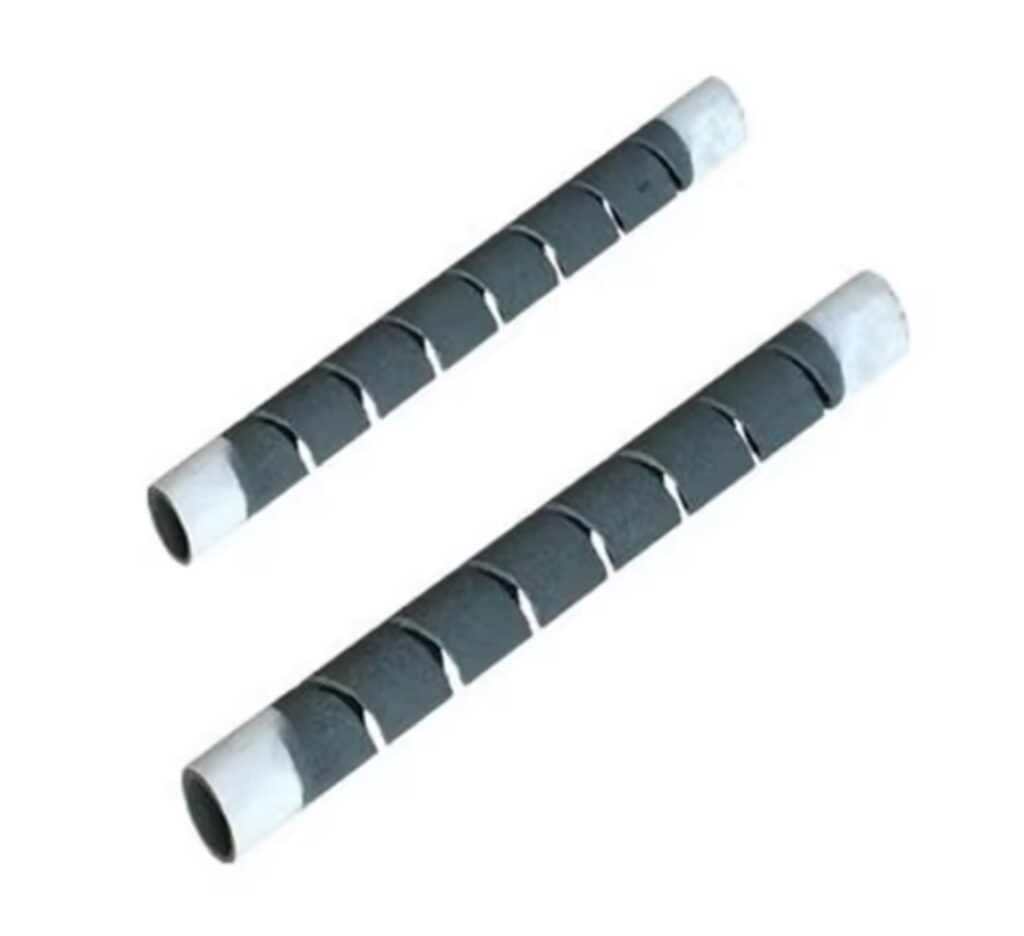
Gujarat is a vital hub for ceramic production in India, with its factories churning out a wide range of ceramic products daily, from tiles and sanitary ware to industrial ceramics. In this bustling industry, the role of efficient heating is crucial, and SiC Heating Elements have emerged as a game-changer, revolutionizing the way ceramics are manufactured in the region.
Traditional heating methods in Gujarat’s ceramic factories, such as those using resistance wires or gas burners, often struggle with uneven temperature distribution. This inconsistency is a major issue because ceramic materials are highly sensitive to heat during the firing process. Even a small variation in temperature can lead to significant flaws in the final products. For example, some ceramics might end up with cracks due to rapid temperature changes, while others could have a dull finish because they weren’t heated enough. But SiC Heating Elements solve this problem effectively. Made from silicon carbide, a material known for its excellent thermal conductivity, they provide uniform heat across the entire firing chamber. Whether it’s a large batch of floor tiles or delicate ceramic figurines, every piece is exposed to the same level of heat, ensuring that each one meets the desired quality standards. This consistency directly reduces the number of defective items, which in turn lowers the costs associated with reworking or discarding faulty products.
Another key advantage of SiC Heating Elements is their high heating efficiency. Compared to older heating technologies, they convert more energy into heat, which means less energy is wasted. In Gujarat, where energy costs can fluctuate and form a significant part of a ceramic factory’s operational expenses, this efficiency is a huge benefit. For instance, a medium-sized ceramic factory that switches to SiC Heating Elements can see a reduction in energy consumption by up to 20% over a year. This not only translates to lower energy bills but also helps the factories meet the growing demand for sustainable and eco-friendly production practices. As more consumers and businesses prioritize environmentally responsible products, using energy-efficient equipment like SiC Heating Elements gives Gujarat’s ceramic producers a competitive edge in the market.
Durability is also a strong point of SiC Heating Elements. They can withstand the high temperatures, often reaching up to 1600°C, and the harsh conditions of ceramic firing processes for a longer time than many other heating elements. Traditional heating elements might need to be replaced every few months, especially in factories that operate round the clock. But SiC Heating Elements can last for years, even with continuous use. This reduces the frequency of replacements, minimizing downtime in production. In Gujarat’s busy ceramic factories, where keeping production running smoothly is essential to meet tight deadlines and fulfill large orders, this durability is highly valued. It ensures that the production line remains uninterrupted, allowing factories to maximize their output and meet customer demands on time.
Precise temperature control is vital in ceramic production, as different types of ceramics require specific temperature ranges during firing. For example, porcelain needs to be fired at a higher temperature than earthenware. SiC Heating Elements allow for accurate temperature adjustments, with some models offering control within a range of ±1°C. This precision helps in producing ceramics with better strength, texture, and appearance. For instance, tiles fired with precise temperature control have a harder surface, making them more resistant to wear and tear. Sanitary ware, on the other hand, benefits from precise heating as it ensures a smooth, non-porous finish that is easy to clean and maintain. This level of precision helps Gujarat’s ceramic factories produce high-quality products that meet the stringent standards demanded by both domestic and international markets.
Moreover, SiC Heating Elements are easy to install and maintain. They can be easily integrated into existing kilns and furnaces without the need for major modifications to the production setup. This makes the transition from traditional heating elements to SiC ones relatively hassle-free for ceramic factories in Gujarat. Additionally, their simple design means that maintenance is straightforward. Factory workers can quickly check and clean the elements, ensuring they continue to function at their best. This ease of use reduces the need for specialized technical expertise, making it accessible for even smaller ceramic factories in the region to adopt this technology.
The impact of SiC Heating Elements on Gujarat’s ceramic industry goes beyond just improving product quality and reducing costs. It also contributes to the overall growth and development of the sector. By increasing productivity and efficiency, these elements help ceramic factories expand their production capacity. This, in turn, creates more job opportunities in the region, from skilled workers involved in operating the kilns to engineers responsible for maintaining the heating systems. Furthermore, the improved quality of the ceramics produced using SiC Heating Elements has opened up new markets for Gujarat’s ceramic products, both within India and abroad. This increased demand has led to the establishment of new ceramic factories in the region, further boosting the local economy.
In conclusion, SiC Heating Elements have become an indispensable part of ceramic production in Gujarat. Their ability to provide uniform heat, high efficiency, durability, and precise temperature control, along with being easy to install and maintain, has greatly enhanced the quality, productivity, and sustainability of local ceramic factories. As the ceramic industry in Gujarat continues to grow and evolve, the role of SiC Heating Elements will only become more important, driving innovation and success in the sector for years to come.