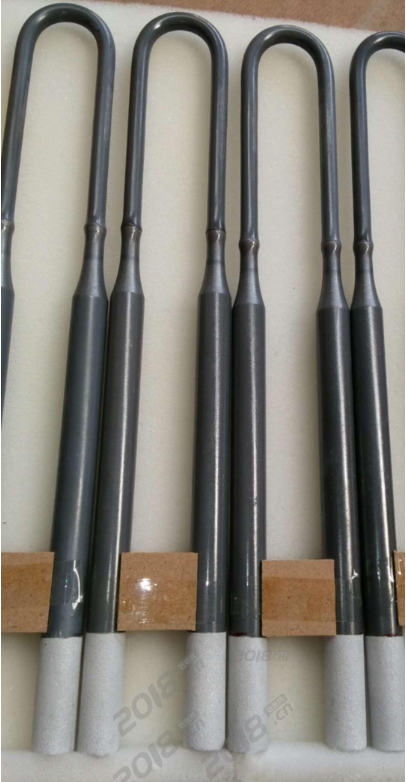
If you work in industries that require high-temperature processes—like ceramics, metallurgy, or electronics—you may have heard of Mosi2 heating elements. But what exactly are they, and why are they so widely used? Let’s break it down in simple terms.
What Does “Mosi2” Mean?
First, “Mosi2” stands for molybdenum disilicide (MoSi₂). It’s a compound made from molybdenum and silicon. A Mosi2 heating element is a device that generates heat using this material, designed to work efficiently in extremely high-temperature environments.
Key Properties of Mosi2 Heating Elements
Mosi2 heating elements are popular because of these key features:
- Exceptional Heat Resistance: They can operate at temperatures up to 1,700°C (3,092°F), making them ideal for high-temperature furnaces and kilns.
- Good Oxidation Resistance: At high temperatures, Mosi2 forms a protective silicon dioxide (SiO₂) layer on its surface. This layer prevents further oxidation, extending the element’s lifespan.
- High Thermal Conductivity: They transfer heat quickly and evenly, improving energy efficiency in heating processes.
- Stable Performance: Unlike some other heating materials, Mosi2 elements maintain consistent resistance and heating performance over time.
Where Are Mosi2 Heating Elements Used?
These elements are crucial in various industrial applications:
- Ceramics Industry: For firing porcelain, pottery, and advanced ceramic materials in kilns.
- Metallurgy: In heat treatment furnaces for metals, such as annealing, sintering, or melting.
- Electronics: For manufacturing semiconductors, LEDs, and other electronic components that require high-temperature processing.
- Glass Manufacturing: To heat and shape glass products without contamination, thanks to their chemical stability.
How Do Mosi2 Heating Elements Work?
The working principle is straightforward:
- When an electric current passes through the Mosi2 element, its electrical resistance generates heat.
- The element heats up rapidly and reaches the desired temperature, which can be controlled by adjusting the power supply.
- The protective SiO₂ layer (formed during the first use) ensures the element stays durable even in oxidizing atmospheres like air.
Benefits of Choosing Mosi2 Heating Elements
- Long Service Life: Their oxidation resistance and thermal stability mean they last longer than many other heating materials, reducing replacement costs.
- Energy Efficiency: High thermal conductivity allows them to heat up quickly and maintain temperatures with less energy waste.
- Versatility: They work well in both air and inert gas environments, making them suitable for diverse industrial needs.
Considerations for Use
While Mosi2 elements are robust, they have some limitations:
- Brittleness at Low Temperatures: They can be fragile below 400°C (752°F), so careful handling during installation and cooling is important.
- Initial “Burn-In” Process: A short initial heating cycle is needed to form the protective SiO₂ layer, which optimizes their performance.
In Conclusion
A Mosi2 heating element is a reliable, high-temperature heating solution for industries that demand durability and efficiency. Its unique properties make it a top choice for processes where extreme heat and oxidation resistance are critical. Whether you’re in ceramics, metallurgy, or electronics, understanding Mosi2 elements can help you choose the right heating solution for your needs.